

A wedding day unfolds through a series of meaningful experiences that each hold a unique purpose. Among the most talked about parts of the celebration are the ceremony and the reception. While they happen on the same day and are deeply connected, they create completely different atmospheres and memories for the couple and their guests.
Understanding the distinction between the two can help couples organise a celebration that feels seamless, personal, and emotionally rewarding.
Many people use the terms interchangeably, especially when discussing venues or wedding planning timelines. However, the ceremony and reception each represent separate stages of the event.
One focuses on commitment and tradition, while the other centres on celebration and social connection. Knowing how these moments differ can make planning decisions much easier, especially when selecting styling, entertainment, and guest experiences.
Wedding ceremony and reception venue choices often influence the overall flow of the day. Some couples prefer a single location that smoothly transitions from vows to celebration, while others enjoy hosting the ceremony and reception in separate spaces to create distinct moods for each occasion. The venue selection affects photography opportunities, guest comfort, timing, and the emotional tone of the event itself.
Couples today are placing more thought into how every stage of the wedding reflects their personalities. Rather than following strict traditions, many are blending formal elements with relaxed experiences that feel genuine to their relationship. This shift has made it even more important to understand how the ceremony and reception differ so each moment receives the attention it deserves.
The Emotional Meaning Behind the Ceremony
The ceremony marks the official commitment
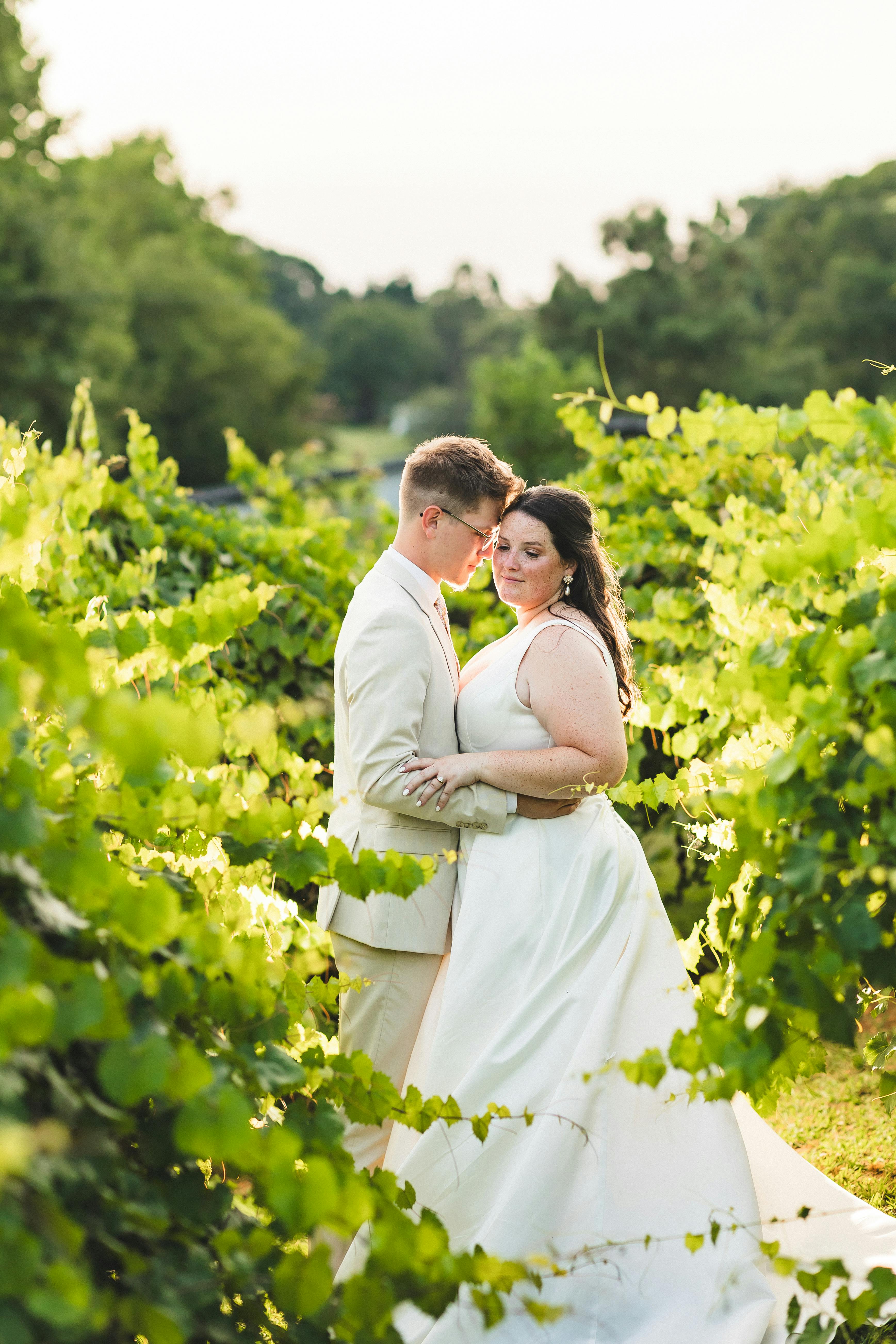
The wedding ceremony is the formal part of the day during which the couple legally and emotionally commits to one another. It is often considered the most intimate and symbolic moment because it represents the reason everyone has gathered together. Whether traditional, modern, religious, or non-religious, the ceremony is centred on the exchange of vows and the declaration of marriage.
During this portion of the day, emotions are usually heightened. Guests witness promises being shared publicly, creating a powerful atmosphere filled with anticipation and sincerity. The ceremony often becomes one of the most memorable parts of the wedding because it reflects the couple’s relationship at its core.
Traditions often shape the ceremony experience
Ceremonies frequently include customs that hold cultural, spiritual, or family significance. These may involve readings, rituals, music, processions, or symbolic exchanges. Some couples choose traditions while others create personalised ceremonies with unique wording and modern touches.
The structure tends to follow a carefully planned sequence. Guests arrive and take their seats, the wedding party enters, vows are exchanged, rings are presented, and the marriage is announced. This organised flow gives the ceremony a sense of importance and emotional focus.
The atmosphere is usually more formal
Compared with the reception, ceremonies generally feel quieter and more reflective. Guests are attentive, conversations are limited, and the focus remains entirely on the couple. Styling choices often support this mood through elegant floral arrangements, soft music, and refined seating layouts.
Even relaxed weddings usually maintain a respectful tone during the ceremony itself. This atmosphere helps create a meaningful transition into married life before the celebrations begin.
The Reception Creates the Celebration
The reception welcomes guests into the festivities
Once the ceremony concludes, the reception begins as the social and celebratory part of the wedding day. This is the time for guests to eat, drink, dance, and enjoy themselves together. While the ceremony centres on commitment, the reception celebrates that commitment with loved ones.
The reception often starts with cocktails or refreshments before guests move into the main dining area. Music, speeches, entertainment, and dancing all contribute to a lively environment that encourages interaction and enjoyment.
Food and entertainment shape the mood
One of the defining elements of a reception is hospitality. Guests are typically served meals, beverages, and desserts while spending time with friends and family. The style of service may range from formal plated dinners to relaxed shared feasts, depending on the couple’s preferences.
Entertainment also plays a major role in creating the atmosphere. Live bands, DJs, performers, and interactive experiences can transform the reception into an unforgettable celebration. Unlike the ceremony, the reception allows for greater creativity and flexibility in structure.
Personal style becomes more visible
Receptions often showcase the couple’s personality through styling details and entertainment choices. Decorative themes, table settings, lighting, and music selections help create a unique experience for guests.
Some couples prefer elegant black tie receptions, while others choose casual garden gatherings or modern cocktail celebrations. Because receptions are usually longer than ceremonies, they provide more opportunities for personalised touches and memorable interactions.
How Venue Choices Affect Both Experiences
One venue can create a smooth transition
Selecting a single location for both the ceremony and reception offers convenience and continuity. Guests remain in one place throughout the event, reducing travel time and simplifying logistics. This approach can also create a more relaxed atmosphere because the day flows naturally from vows into celebration.
Venues designed to host both parts of the wedding often provide dedicated ceremony areas alongside reception spaces. Gardens, courtyards, ballrooms, and outdoor terraces allow couples to shift between experiences without losing momentum.
Separate venues create distinct atmospheres
Some couples prefer hosting the ceremony and reception in different locations. This allows each setting to reflect a unique mood and purpose. A ceremony might take place in a peaceful outdoor setting while the reception unfolds in a stylish dining venue or modern event space.
Changing venues can create excitement and visual variety throughout the day. However, it also requires careful planning to ensure guests can move comfortably between locations without delays or confusion.
Styling needs differ between spaces
Ceremony styling usually focuses on creating a romantic focal point for vows and photographs. Seating arrangements, floral arches, and aisle décor help frame the moment beautifully. Reception styling, on the other hand, prioritises guest comfort and ambience for several hours of dining and entertainment.
Lighting becomes especially important during receptions because it influences energy and mood. Soft lighting creates elegance while vibrant effects encourage dancing and celebration later in the evening.
Guest Experience During the Ceremony and Reception
Guests participate differently in each stage
During the ceremony, guests are observers. Their role is to witness the marriage and share in the emotional significance of the moment. Most interactions are quiet and respectful, allowing the couple to remain the centre of attention.
At the reception, guests become active participants in the celebration. Conversations increase, music fills the space, and people connect socially. The atmosphere becomes more relaxed and energetic compared with the focused stillness of the ceremony.
Timing influences comfort and enjoyment
Ceremonies are often shorter than receptions, usually lasting between twenty and sixty minutes, depending on cultural or religious traditions. Receptions typically continue for several hours and may extend late into the evening.
This difference means couples must think carefully about guest comfort. Seating, refreshments, temperature control, and entertainment all become important considerations, particularly during lengthy receptions.
Photography captures different emotions
Wedding photography also changes dramatically between the ceremony and reception. Ceremony images often focus on emotional expressions, intimate moments, and meaningful exchanges. These photographs tend to feel timeless and sentimental.
Reception photography captures movement, laughter, dancing, and spontaneous interactions. The images often reflect joy and celebration rather than quiet emotion. Together, both styles of photography tell the complete story of the wedding day.
Why Understanding the Difference Matters
Planning becomes more organised
Recognising the difference between the ceremony and reception helps couples plan more effectively. Each stage requires different timelines, suppliers, and priorities. Ceremony planning often involves officiants, vows, and seating arrangements, while reception planning focuses on catering, music, and guest entertainment.
Understanding these distinctions also helps avoid scheduling issues. Couples can allocate enough time for transitions, photography, and guest movement between locations.
Budget decisions become clearer
Wedding budgets are often divided differently between the ceremony and reception. Receptions usually require larger investments because they involve food, beverages, entertainment, staffing, and extended venue hire.
Ceremonies may involve fewer expenses but still require thoughtful spending on styling, floral arrangements, and officiant services. Knowing the purpose of each part of the day can help couples prioritise spending according to what matters most to them.
Couples can personalise each moment
When couples understand how the ceremony and reception serve different purposes, they can design experiences that feel balanced and meaningful. The ceremony can remain deeply emotional and intimate while the reception becomes joyful and expressive.
Rather than treating the wedding as one continuous event, couples can shape each stage intentionally. This creates a more memorable experience not only for themselves but also for everyone attending.
Frequently Asked Questions
Is the wedding ceremony more important than the reception?
Both parts of the wedding hold significance for different reasons. The ceremony represents the actual commitment and marriage, while the reception celebrates that commitment with family and friends. One is emotionally symbolic while the other focuses on shared joy and connection.
Can a wedding reception happen without a ceremony?
Yes, some couples choose to hold a reception-style celebration after a private or earlier ceremony. Others may legally marry beforehand and later host a social gathering for loved ones. However, traditional weddings usually include both parts on the same day.
How long should there be between the ceremony and the reception?
The timing depends on the wedding schedule and venue locations. Some weddings transition immediately into the reception, while others allow time for travel and photography. Keeping the gap manageable helps maintain guest comfort and energy throughout the celebration.
Conclusion
The wedding ceremony and reception each contribute something meaningful to the overall celebration. The ceremony creates a heartfelt moment centred on commitment, while the reception allows everyone to celebrate together in a relaxed and joyful setting. Although they differ in atmosphere, purpose, and structure, they work together to create a complete wedding experience.
Couples who understand these differences often find it easier to plan a day that feels natural and memorable. From selecting the ideal venue to shaping guest experiences and personal touches, every decision becomes more intentional when the role of each stage is clear. A thoughtfully planned ceremony and reception can transform a wedding into an experience filled with emotion, connection, and lasting memories.