

Committing to a fitness journey is a powerful decision. Whether your goals are to improve strength, enhance mobility, lose weight, manage stress or just feel more energised throughout your day, having expert guidance can make all the difference. Many people start with enthusiasm but struggle to maintain momentum or develop a plan that actually works for their unique body and lifestyle. This is where a qualified professional becomes not just helpful, but essential.
When you begin searching for someone to support and guide you, you may feel overwhelmed by the sheer number of options, titles, certifications and marketing claims. It’s easy to feel uncertain about who truly has the expertise to help you reach your goals safely and sustainably. Even if you’re experiencing early success with general workouts, without personalised support, you may hit plateaus or risk injury, especially if you have pre-existing conditions or specific performance targets.
Personal trainer near is a practical phrase many people use when they are ready to find a professional who can offer tailored programming, consistent motivation and accountability. But proximity alone isn’t enough to guarantee quality. The right trainer for your goals will assess your current condition, help you understand your progress markers, communicate clearly and build a plan that evolves with you over time.
It takes more than friendly banter in a gym to make lasting change; it takes expertise, commitment and a trainer who prioritises your individual needs.
Understanding what makes a reliable personal trainer is where many people begin to differentiate between an instructor who can simply count reps and one who can truly transform your fitness journey.
What Defines a Reliable Personal Trainer
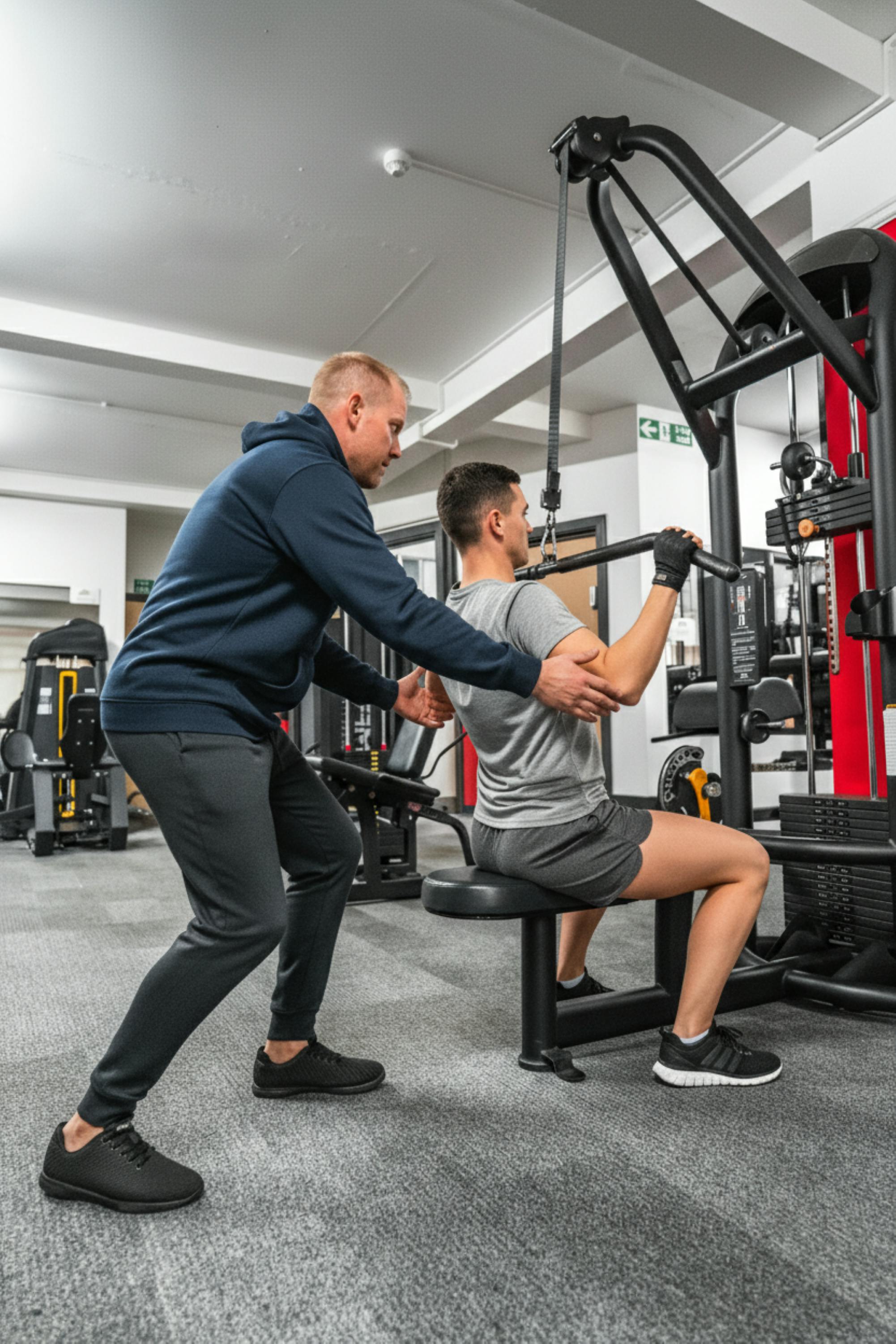
Competence and Knowledge
A reliable trainer demonstrates competence across several areas. They have a firm foundation in anatomy, exercise physiology and movement progressions. Professional training and accredited certifications show that a trainer has invested time and effort to learn evidence-based practices rather than relying on trends or guesswork.
Communication Skills
Good personal trainers communicate well. They listen carefully to your goals, concerns and feedback, and adjust plans accordingly. Communication builds trust, which is essential for a productive trainer-client relationship.
Integrity and Consistency
Reliable trainers set realistic expectations, document progress, and help clients celebrate milestones rather than pushing them toward unsustainable routines. This creates a positive long-term partnership that supports growth safely.
How to Begin Your Search
Clarifying Your Goals
The first step is to identify your fitness objectives. Whether it’s building strength, losing weight, improving mobility, or preparing for an event, your goals determine the type of trainer that will best suit you.
Choosing the Right Environment
Consider whether you thrive in a private studio, gym, or outdoor setting. The environment affects your motivation, comfort and long-term adherence to a training plan.
Using Referrals and Online Platforms
Referrals from trusted sources and online platforms that list trainer profiles, qualifications, and reviews can help you create a shortlist. Assess ratings, specialisations and experience to find reliable options.
Evaluating Qualifications and Specialisations
Accreditation Matters
Not all certifications are equal. Look for trainers with accreditation from reputable bodies to ensure they have a solid understanding of human movement, programming principles, and safety protocols.
Choosing Specialisations
Some trainers specialise in weight loss, strength training, rehabilitation, or corrective exercise. Matching a trainer’s specialisation to your goals increases the likelihood of safe, effective results.
Experience and Continuing Education
A balance of experience and up-to-date knowledge is critical. Ask how trainers stay current with industry research and update their practices. Client success stories can also provide insight into their effectiveness.
The Importance of Compatibility and Coaching Style
Assessing Coaching Style
Trainers may be highly directive, motivational, or educational. Determine which style matches your personality to maintain engagement and avoid frustration.
Observing Interaction
Pay attention during initial consultations. Do they ask about lifestyle, injuries, nutrition, and habits? Do they explain exercises clearly? This shows genuine interest in your goals.
Communication and Scheduling
Reliable trainers provide clear communication and follow-ups. Consider how they handle messages, cancellations, and session scheduling, as this affects your overall experience.
Questions to Ask During Consultations
Experience with Similar Goals
Ask about their experience working with clients with goals similar to yours, and how they structure plans to measure progress.
Tools and Tracking
Inquire about apps, software, or tracking methods for workouts, nutrition, and progress photos. Choose what motivates and suits your workflow.
Policies and Accountability
Discuss expectations for cancellations, rescheduling, and accountability outside sessions. Understanding these ensures a smooth professional relationship.
References and Testimonials
Request references or testimonials from clients who have achieved results with the trainer. Reputable trainers will provide this confidently.
Trial Sessions: What to Look For
Assessment and Safety
A reliable trainer assesses your movement, posture, and mobility before starting exercises. Safety is key to avoiding injury.
Instruction and Feedback
Observe how the trainer cues exercises and gives feedback. Clear guidance is a sign of expertise and ensures you learn proper form.
Goal Alignment
Ensure the session aligns with your objectives. A good trainer adapts to your goals and doesn’t apply generic routines.
Red Flags to Avoid
Unrealistic Promises
Avoid trainers who guarantee specific results in an unsustainable timeframe. Lasting change requires time and consistency.
Poor Communication or Pressure
Be cautious if trainers dismiss your concerns, rush assessments, or focus on selling sessions and products over genuine guidance.
One-Size-Fits-All Programmes
Trainers using generic templates for all clients lack personalised planning. Look for those who customise programmes based on your progress and feedback.
Making the Final Choice
Trust Your Instincts
After evaluating qualifications, coaching style, and trial experiences, select a trainer who inspires confidence and feels supportive.
Viewing Training as a Partnership
Remember, fitness success is a partnership. Your commitment, combined with your trainer’s guidance and accountability, leads to the most meaningful results.
Frequently Asked Questions
What should I prioritise when looking for a personal trainer?
Prioritise accredited qualifications, clear communication, experience with your type of goals, and a coaching style that aligns with your personality and motivation. Proximity is helpful, but expertise and compatibility are more important for long-term success.
How do I know if a trainer is qualified?
Ask about their certifications, accreditation bodies, continuing education, and specialisations. A legitimate trainer will openly discuss their qualifications and how they apply them to personalised programming.
Can I change trainers if the first one I choose is not a good fit?
Yes. Training is a personal relationship, and it’s important to work with someone who genuinely supports your goals. If you feel mismatched, it’s reasonable to reassess and find someone who better meets your needs.
Conclusion
Choosing the right personal trainer is a significant step in achieving meaningful and sustainable fitness improvements. It requires careful consideration of qualifications, coaching style, communication, and personal compatibility. By asking the right questions, observing how a trainer interacts during consultations and trials, and trusting your instincts, you can find a professional who empowers you to reach your goals effectively and confidently.
The right trainer will not only guide your workouts but also educate, motivate, and help you become stronger, healthier, and more resilient in every aspect of your life.