

Commercial vehicles have become one of the most important operational assets for businesses across Australia. Industries such as construction, mining, utilities, agriculture, telecommunications, plumbing, electrical services, logistics, and maintenance all rely heavily on vehicles that can support demanding daily tasks while improving productivity and organisation.
Modern businesses no longer view commercial vehicles as simple transport solutions because these vehicles now function as mobile workspaces that directly influence efficiency, customer service, and operational performance.
One of the most important developments in commercial vehicle design is the use of fleet service bodies. Service bodies are specially designed vehicle bodies fitted with organised compartments, secure storage systems, workspaces, and operational features that support mobile workers and field-based businesses. These systems help businesses improve organisation, protect equipment, and create more efficient work environments for employees operating in the field.
Many business owners and fleet operators often ask an important question when exploring commercial vehicle solutions: What does fleet services mean? Fleet services refer to the management, maintenance, support, operation, and coordination of commercial vehicle fleets used by businesses or organisations. Fleet services can include vehicle maintenance, repairs, fuel management, tracking systems, fit-outs, driver support, operational planning, and specialised vehicle modifications designed to improve fleet performance and efficiency.
Fleet Service Bodies play a major role within modern fleet services because they improve the functionality, organisation, and usability of commercial vehicles. Businesses operating service fleets require vehicles capable of supporting technicians, transporting equipment safely, and maintaining efficient workflows across multiple locations and job sites.
This guide explores fleet service bodies, explains what fleet services mean, examines how service bodies improve commercial operations, and discusses the industries that rely heavily on these specialised vehicle systems throughout Australia.
Understanding Fleet Service Bodies
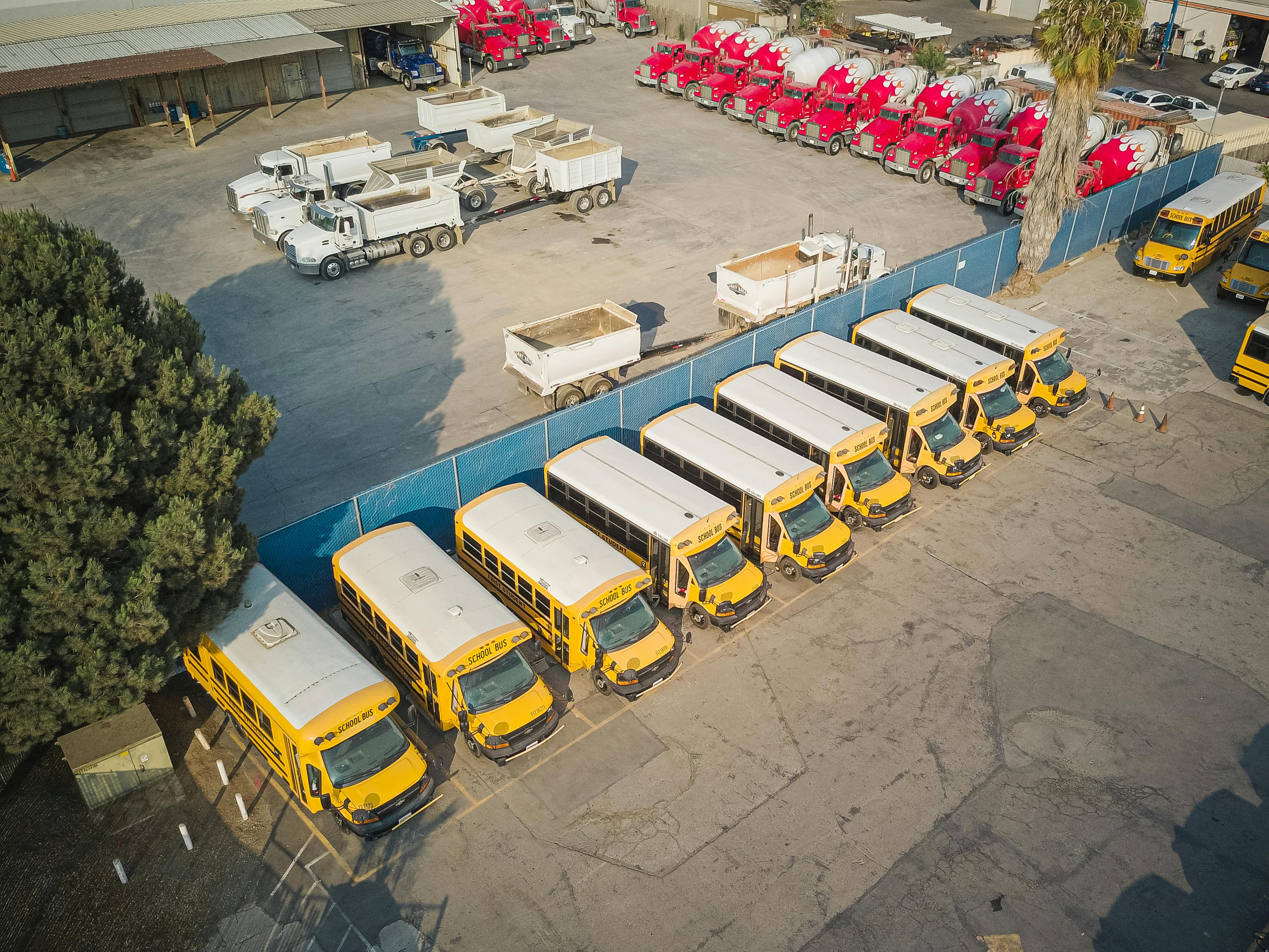
Fleet service bodies are specially designed vehicle bodies installed on commercial vehicles to support work-related operations. Unlike standard trays or cargo areas, service bodies include enclosed compartments, organised storage systems, shelving units, and operational features that transform vehicles into efficient mobile workspaces.
These service bodies are commonly fitted to utes, trucks, vans, and utility vehicles used by tradespeople, field technicians, maintenance crews, emergency responders, and service-based businesses. The goal is to improve organisation, accessibility, equipment protection, and operational productivity.
Modern fleet service bodies are highly customisable. Businesses can configure storage layouts, install power systems, add tool compartments, integrate lighting systems, and include specialised equipment mounts according to their operational needs.
Service bodies have become increasingly important because many businesses now operate in fast-moving environments where efficiency, reliability, and organisation directly affect productivity and customer satisfaction.
What Does Fleet Services Mean
Fleet services refer to the systems, support solutions, and operational management processes used to maintain and coordinate commercial vehicle fleets. These services help businesses ensure their vehicles remain safe, efficient, organised, and operational throughout daily business activities.
Fleet services may involve vehicle maintenance, repair scheduling, tracking systems, fuel management, fit-out solutions, compliance management, and driver support. The purpose is to improve how businesses operate and manage their vehicles while reducing downtime and unnecessary costs.
Commercial fleet services also focus on improving vehicle performance and operational reliability. Businesses operating multiple vehicles require organised systems that help coordinate servicing schedules, repairs, safety inspections, and operational planning.
Fleet services often include specialised vehicle modifications such as service body installations, canopy systems, shelving solutions, refrigeration units, and mobile workspace configurations. These modifications help businesses customise vehicles according to industry-specific requirements.
As industries continue becoming more mobile and service-focused, fleet services have become essential for businesses seeking better productivity, safety, and long-term operational efficiency.
Why Fleet Service Bodies Are Important
Fleet service bodies provide several important advantages for businesses operating commercial vehicles in demanding work environments.
Improving Operational Efficiency
One of the biggest benefits of service bodies is improved efficiency. Workers operating from organised service vehicles can access tools, equipment, and materials more quickly.
Without organised storage systems, employees often waste valuable time searching for equipment or rearranging cluttered cargo areas. Service bodies improve accessibility and workflow by keeping everything organised and easy to locate.
Better organisation allows workers to complete jobs more efficiently while reducing unnecessary delays during daily operations.
Supporting Mobile Workspaces
Modern service bodies effectively transform vehicles into mobile workshops. Technicians and field workers can carry everything they need directly to job sites without relying heavily on external storage facilities or workshops.
Many service bodies include workbenches, power outlets, lighting systems, and specialised compartments that support on-site repairs and maintenance tasks.
Mobile workspaces improve productivity, especially for businesses operating across large service areas or remote locations.
Protecting Valuable Equipment
Commercial vehicles often transport expensive tools and specialised equipment. Leaving these items unsecured can result in damage, theft, or operational disruptions.
Fleet service bodies provide enclosed and lockable compartments that protect equipment from weather exposure, dust, moisture, and unauthorised access.
Secure storage systems help businesses reduce equipment replacement costs while maintaining operational continuity.
Common Types of Fleet Service Bodies
Different industries require different types of service body configurations depending on operational needs and vehicle applications.
Utility Service Bodies
Utility service bodies are among the most common commercial configurations used by tradespeople and service providers.
These bodies typically include side compartments, shelving systems, tool drawers, and open tray sections that improve equipment organisation and accessibility.
Utility service bodies are widely used by electricians, plumbers, telecommunications technicians, and maintenance providers.
Enclosed Service Bodies
Enclosed service bodies provide fully covered cargo and storage areas designed for businesses requiring additional security and weather protection.
These service bodies are ideal for transporting sensitive tools, electronic equipment, or specialised materials that require controlled storage conditions.
Enclosed systems also improve security and create a cleaner professional appearance.
Crane Service Bodies
Some industries require service vehicles capable of lifting heavy equipment or machinery.
Crane service bodies include integrated lifting systems mounted directly onto the vehicle body. These systems improve operational efficiency by allowing workers to load and unload heavy materials without additional machinery.
Crane service bodies are commonly used in construction, mining, and industrial maintenance sectors.
Refrigerated Service Bodies
Businesses transporting temperature-sensitive products often require refrigerated service body solutions.
These bodies include insulated compartments and refrigeration systems designed to maintain stable temperatures during transportation.
Healthcare, catering, and food logistics industries commonly use refrigerated fleet service bodies.
Industries That Depend on Fleet Service Bodies
Fleet service bodies are widely used across Australian industries because they improve operational efficiency and support mobile work environments.
Construction and Trade Services
Builders, electricians, plumbers, carpenters, and HVAC technicians rely heavily on organised service vehicles.
Service bodies help tradespeople transport tools, materials, safety equipment, and replacement parts more efficiently between job sites.
Properly fitted service vehicles also improve professionalism and customer confidence.
Utilities and Telecommunications
Utility providers and telecommunications companies operate large service fleets responsible for maintaining infrastructure and responding to repairs.
Service bodies provide organised storage for cables, testing equipment, communication tools, and safety gear.
Efficient service vehicles help technicians respond faster and complete repairs more effectively.
Mining and Industrial Operations
Mining companies often require heavy-duty service vehicles capable of operating in harsh and remote environments.
Fleet service bodies used in mining operations are designed for durability, equipment protection, and heavy-duty performance.
These vehicles commonly include reinforced storage systems, lighting upgrades, and advanced safety features.
Agriculture and Rural Services
Agricultural businesses use service vehicles to transport fencing supplies, machinery parts, irrigation equipment, and tools across large properties.
Service bodies help farmers and rural contractors maintain organised mobile workspaces while protecting equipment from environmental conditions.
Key Features Included in Fleet Service Bodies
Modern service bodies include many features designed to improve functionality and workplace efficiency.
Shelving and Storage Compartments
Shelving systems help workers organise tools, materials, and spare parts more effectively.
Properly designed storage layouts improve accessibility while reducing wasted space inside the vehicle.
Lockable Compartments
Security is extremely important for businesses carrying expensive tools and equipment.
Lockable compartments help protect assets from theft while improving operational security.
Drawer Systems and Slide-Out Storage
Slide-out drawers improve accessibility and reduce manual handling strain.
Workers can reach equipment more easily without climbing into cargo areas or lifting heavy items awkwardly.
Electrical and Power Systems
Many service vehicles include integrated electrical systems capable of powering tools, lighting, communication devices, and charging equipment.
Power systems improve operational flexibility and support remote work environments.
Ladder Racks and External Storage
Businesses transporting ladders, pipes, timber, or long equipment often require external storage solutions.
Roof racks and side mounts help maximise available space while maintaining organised interior layouts.
The Role of Fleet Services in Vehicle Maintenance
Fleet services play a major role in maintaining vehicle reliability and operational performance.
Scheduled Maintenance Programs
Regular maintenance helps businesses prevent breakdowns and extend vehicle lifespan.
Fleet service providers often manage servicing schedules, inspections, and repairs to ensure vehicles remain roadworthy and operational.
Preventive Maintenance
Preventive maintenance focuses on identifying problems before they become major failures.
Routine inspections help reduce downtime and lower long-term repair costs.
Repair Coordination
Fleet services often include repair management systems that coordinate servicing, replacement parts, and workshop scheduling.
Efficient repair coordination improves operational continuity and minimises vehicle downtime.
Compliance and Safety Inspections
Commercial fleets must comply with transport regulations and workplace safety standards.
Fleet service providers help businesses maintain compliance through inspections, reporting, and scheduled safety checks.
Technology and Innovation in Fleet Service Bodies
Technology continues to transform modern service body design and fleet operations.
Smart Storage Systems
Some service bodies now include digital inventory tracking systems and smart locking technology.
These features improve equipment management and operational accountability.
GPS and Fleet Tracking Integration
Fleet vehicles increasingly include GPS systems that help businesses monitor locations, routes, and operational activity in real time.
Tracking systems improve scheduling efficiency and communication between field workers and management teams.
Advanced Lighting Systems
LED lighting systems improve visibility and reduce energy consumption.
Well-lit workspaces improve safety during night work and low-light operations.
Mobile Office Features
Some service vehicles now include mobile office functionality such as internet connectivity, charging stations, tablets, and communication systems.
These features help businesses manage field operations more effectively.
Materials Commonly Used in Fleet Service Bodies
Manufacturers use different materials depending on industry requirements and vehicle applications.
Aluminium
Aluminium service bodies are lightweight, corrosion-resistant, and fuel-efficient.
These systems are commonly used in utility and service industries where reduced vehicle weight is important.
Steel
Steel service bodies provide exceptional strength and durability for demanding industrial environments.
Mining, construction, and heavy-duty operations commonly rely on steel body configurations.
Composite Materials
Modern composite materials combine lightweight performance with strong durability and corrosion resistance.
These materials are becoming increasingly common in advanced commercial vehicle manufacturing.
Benefits of Professionally Designed Fleet Service Bodies
Businesses gain several important advantages from investing in professionally designed service body solutions.
Improved Productivity
Organised storage systems allow workers to complete tasks more efficiently.
Better accessibility reduces wasted movement and improves operational workflows.
Enhanced Professional Image
Well-presented service vehicles create stronger customer impressions and reinforce professionalism.
Clean and organised fleet vehicles improve brand reputation and customer trust.
Better Equipment Protection
Secure and enclosed storage systems help protect tools and equipment from theft, weather exposure, and accidental damage.
Reduced Operational Costs
Efficient vehicle layouts reduce downtime, improve maintenance management, and lower equipment replacement expenses over time.
Challenges Businesses Face With Fleet Service Bodies
Although service bodies provide many advantages, businesses must also consider certain challenges.
Initial Investment Costs
Professional service body installations require upfront financial investment.
Businesses should evaluate long-term operational savings and productivity improvements when planning fleet upgrades.
Vehicle Weight Management
Additional storage systems and equipment can increase vehicle weight.
Proper planning is essential to maintain safe payload limits and fuel efficiency.
Maintenance Requirements
Service bodies require ongoing maintenance to preserve structural integrity and operational functionality.
Regular inspections and servicing help extend vehicle lifespan.
Customisation Complexity
Different businesses require highly specific layouts and operational configurations.
Working with experienced service body manufacturers helps ensure practical and effective designs.
Sustainability in Fleet Service Body Manufacturing
Sustainability has become increasingly important in modern commercial vehicle design.
Lightweight Engineering
Manufacturers continue developing lightweight service body systems that improve fuel efficiency and reduce emissions.
Recyclable Materials
Many manufacturers now use recyclable aluminium and environmentally responsible materials during production.
Energy-Efficient Systems
Modern service vehicles increasingly include energy-efficient lighting and electrical systems.
Electric Vehicle Compatibility
Fleet service body manufacturers are adapting designs to suit electric commercial vehicle platforms and battery systems.
Frequently Asked Questions
What does fleet services mean?
Fleet services refer to the management, maintenance, support, and operational coordination of commercial vehicle fleets used by businesses and organisations.
What is a fleet service body?
A fleet service body is a specialised commercial vehicle body fitted with organised storage systems, compartments, and workspace features designed to support field operations.
Which industries use fleet service bodies the most?
Industries such as construction, utilities, telecommunications, mining, agriculture, plumbing, and electrical services commonly rely on fleet service bodies.
Conclusion
Fleet service bodies have become an essential part of modern commercial vehicle operations across Australia. Businesses operating in construction, mining, telecommunications, agriculture, utilities, and maintenance industries all rely on organised and highly functional vehicles to support daily operations efficiently.
Understanding what fleet services mean helps businesses recognise the importance of vehicle management, maintenance coordination, operational planning, and specialised fit-out solutions. Fleet service bodies contribute significantly to these operations by improving organisation, protecting equipment, supporting mobile workspaces, and enhancing overall productivity.
As industries continue demanding smarter and more efficient vehicle solutions, fleet service bodies will remain a critical part of commercial fleet operations. Through advanced design, durable materials, integrated technology, and industry-specific customisation, professionally built service bodies help businesses improve efficiency, reduce downtime, maintain safety, and achieve stronger long-term operational performance.