

Everyday activities such as gardening, landscaping, and maintaining outdoor spaces generate a surprising amount of organic material. While these remnants may seem harmless, their accumulation can significantly impact landfill capacity and environmental health when not managed properly. Understanding what constitutes green waste is essential for individuals and communities aiming to reduce their ecological footprint and contribute to sustainable waste management practices.
Green waste refers to biodegradable materials derived primarily from plant life. Unlike general household waste, it has the potential to be recycled into valuable resources such as compost and mulch. Recognising the types of materials that fall under this category helps households and businesses adopt more responsible disposal methods and supports broader environmental initiatives focused on waste reduction.
Green waste collection plays a crucial role in ensuring that organic materials are diverted from landfills and repurposed effectively. By participating in structured collection systems, communities can transform what would otherwise be discarded into nutrient-rich soil products, supporting agriculture and reducing greenhouse gas emissions.
This article explores various examples of green waste, highlighting their sources, characteristics, and the importance of managing them sustainably.
Common Types of Green Waste Found in Households
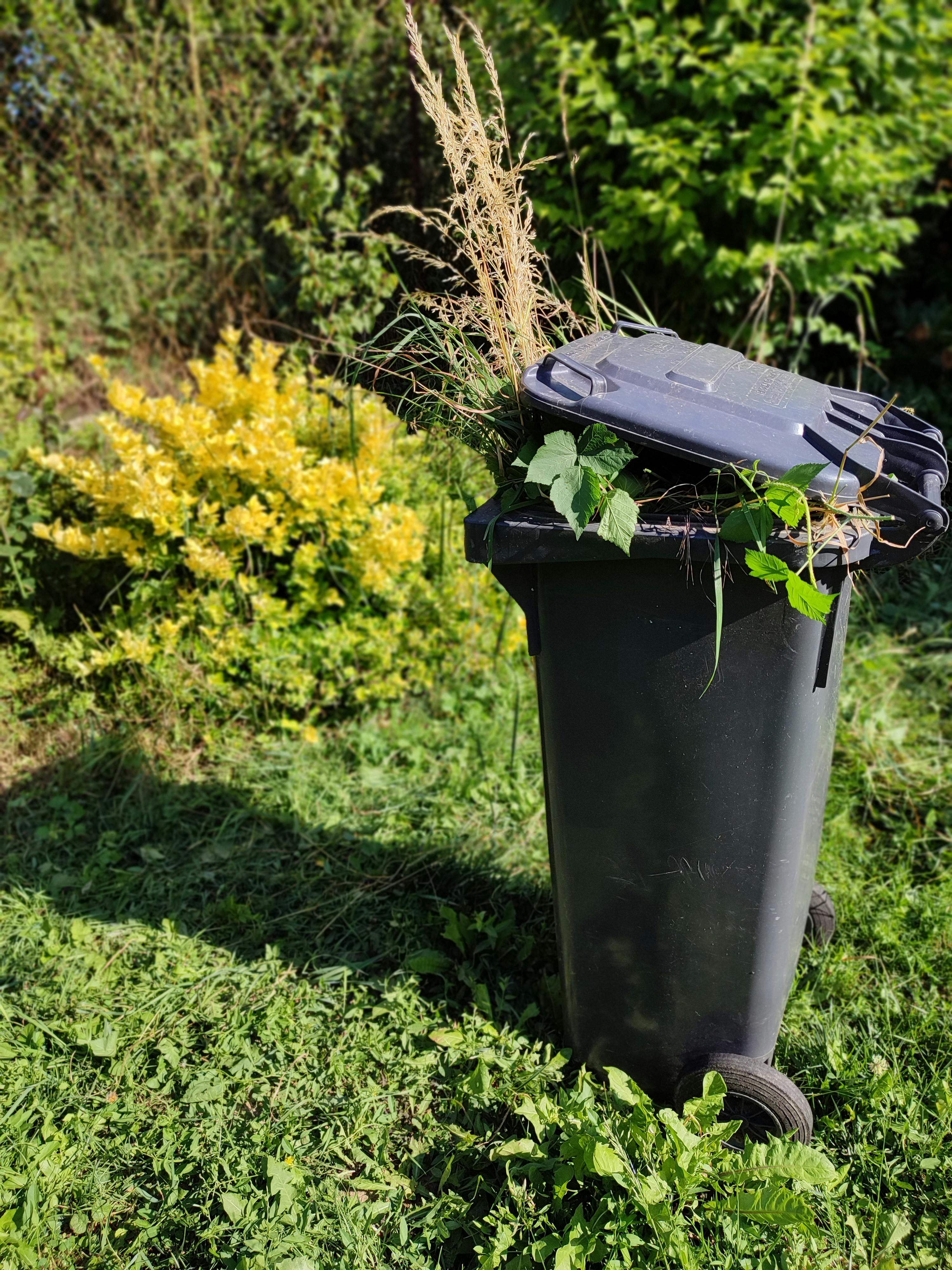
Garden Clippings and Grass Cuttings
One of the most common forms of green waste is grass clippings. These are generated regularly from mowing lawns and maintaining outdoor spaces. Grass cuttings decompose quickly, making them ideal for composting. When collected and processed properly, they contribute essential nutrients such as nitrogen to soil, improving plant growth and soil structure.
Leaves and Plant Trimmings
Fallen leaves and trimmed plant material are another significant component of green waste. Seasonal changes often result in large quantities of leaves, particularly in autumn. These materials can be composted or mulched, returning valuable organic matter to the soil. Plant trimmings, including stems and small branches, also break down efficiently when processed correctly.
Weeds and Unwanted Vegetation
Weeds removed during gardening activities are often overlooked as green waste. However, they form a substantial portion of organic refuse. While composting weeds is possible, care must be taken to ensure that seeds and invasive species are adequately treated to prevent regrowth.
Small Branches and Twigs
Pruning trees and shrubs generates twigs and small branches that fall under green waste. These materials take longer to decompose compared to softer plant matter, but can still be processed into mulch or compost. Their inclusion in green waste streams helps reduce reliance on synthetic landscaping materials.
Green Waste from Landscaping and Commercial Activities
Tree Pruning and Arborist Waste
Professional landscaping and arborist services produce large volumes of organic material, including branches, bark, and tree cuttings. These materials are valuable when processed into wood chips or mulch, often used in public spaces, parks, and gardens.
Lawn Maintenance Services
Commercial lawn care generates consistent green waste in the form of grass clippings and hedge trimmings. Efficient collection and recycling of these materials are essential to prevent unnecessary landfill disposal and to promote sustainable landscaping practices.
Public Park Maintenance
Municipal authorities responsible for maintaining parks and recreational areas generate significant green waste. Leaves, grass, and plant debris collected from these areas are typically processed through local waste management systems, contributing to large-scale composting operations.
Agricultural Residues
Farms and agricultural operations produce green waste, including crop residues, stalks, and plant remains after harvesting. These materials can be repurposed into compost or used as soil conditioners, reducing the need for chemical fertilisers.
Organic Materials That Qualify as Green Waste
Fruit and Vegetable Scraps
Although often associated with kitchen waste, fruit and vegetable scraps can be classified as green waste when included in organic recycling programmes. These materials decompose rapidly and are rich in nutrients, making them ideal for composting systems.
Flowers and Floral Arrangements
Discarded flowers from households, events, or florists are biodegradable and fall within the green waste category. Their soft organic composition allows them to break down quickly, contributing to compost production.
Untreated Timber and Wood Chips
Natural, untreated wood materials such as timber offcuts and wood chips are considered green waste. These materials are often processed into mulch or used in landscaping projects, supporting sustainable resource use.
Plant-Based Packaging Materials
Some packaging products made from plant fibres or biodegradable materials can be included in green waste streams. These items, when certified compostable, contribute to reducing synthetic waste and support environmentally friendly disposal methods.
Environmental Benefits of Proper Green Waste Management
Reduction of Landfill Waste
Diverting green waste from landfills significantly reduces the volume of waste that requires long-term storage. Organic materials in landfills produce methane, a potent greenhouse gas. Proper management helps minimise these emissions.
Production of Compost and Soil Conditioners
Green waste can be transformed into compost, which enhances soil fertility and structure. This reduces the need for chemical fertilisers and supports sustainable agriculture and gardening practices.
Conservation of Natural Resources
Recycling organic waste into usable products reduces the demand for raw materials. Mulch and compost derived from green waste serve as eco-friendly alternatives to commercially produced landscaping materials.
Support for Circular Economy Practices
Green waste management exemplifies the principles of a circular economy, where waste is repurposed into valuable resources. This approach promotes sustainability and reduces environmental impact across multiple sectors.
Challenges in Identifying and Managing Green Waste
Contamination with Non-Organic Materials
One of the primary challenges in green waste management is contamination. The inclusion of plastics, metals, or treated materials can compromise composting processes and reduce the quality of recycled products.
Misclassification of Waste Types
Many individuals are unsure about what qualifies as green waste. This confusion can lead to improper disposal, reducing the effectiveness of recycling programmes and increasing landfill contributions.
Seasonal Variations in Waste Volume
Green waste generation often fluctuates based on seasonal changes. Autumn and spring typically produce higher volumes, requiring efficient collection systems to handle the increased load.
Infrastructure and Accessibility Issues
Not all communities have access to organised green waste collection services. Limited infrastructure can hinder participation and reduce the overall effectiveness of waste management initiatives.
Frequently Asked Questions
What is considered green waste in everyday households?
Green waste includes organic materials such as grass clippings, leaves, plant trimmings, small branches, and garden debris. It may also include fruit and vegetable scraps if accepted by local collection programmes.
Can green waste be disposed of in regular rubbish bins?
Green waste should not be mixed with general rubbish. Many councils provide separate bins or collection services specifically for organic waste to ensure it is processed correctly.
Why is green waste collection important?
It helps divert biodegradable materials from landfills, reduces greenhouse gas emissions, and allows organic waste to be recycled into compost and mulch, supporting environmental sustainability.
Conclusion
Understanding the various examples of green waste is essential for effective waste management and environmental conservation. From simple garden clippings to larger-scale agricultural residues, these materials hold significant potential when handled responsibly. Proper identification and separation of green waste enable communities to reduce landfill dependency and promote sustainable practices.
The role of structured collection systems cannot be understated. By participating in organised programmes, individuals and businesses contribute to a cycle where waste is transformed into valuable resources. This not only benefits the environment but also supports industries reliant on organic materials, such as agriculture and landscaping.
As awareness continues to grow, adopting responsible green waste practices becomes increasingly important. Through education, accessibility, and consistent participation, communities can maximise the benefits of organic waste recycling and move towards a more sustainable future.