

Keeping gardens, lawns, pathways, commercial grounds, and open land free from weeds is one of the most common maintenance challenges faced by property owners. Weeds seem to appear quickly, spread aggressively, and often return even after removal. They compete with desirable plants for water, nutrients, and sunlight, while also reducing the visual appeal and usability of outdoor spaces. In some situations, unmanaged weeds may even create pest issues, trip hazards, drainage problems, or fire risks.
Because weeds are persistent, many people search for the best solution and often ask whether one treatment method is better than all others. The reality is that successful weed control depends on the type of weed, the size of the affected area, the location, environmental conditions, and long-term maintenance goals. A method that works perfectly in a driveway may not be ideal for a lawn, vegetable garden, or acreage property.
A common question asked by homeowners and businesses alike is What method is best for weed control? The most effective answer is that the best method for weed control is usually an integrated approach that combines prevention, manual removal, mulching, healthy lawn or garden maintenance, and targeted treatment when necessary. There is rarely a single universal solution. The smartest method is the one suited to the site and the weed problem.
This blog explores Weed Control Treatment in detail, explains major methods available, and helps readers understand how to choose the most effective and practical strategy for long-term results.
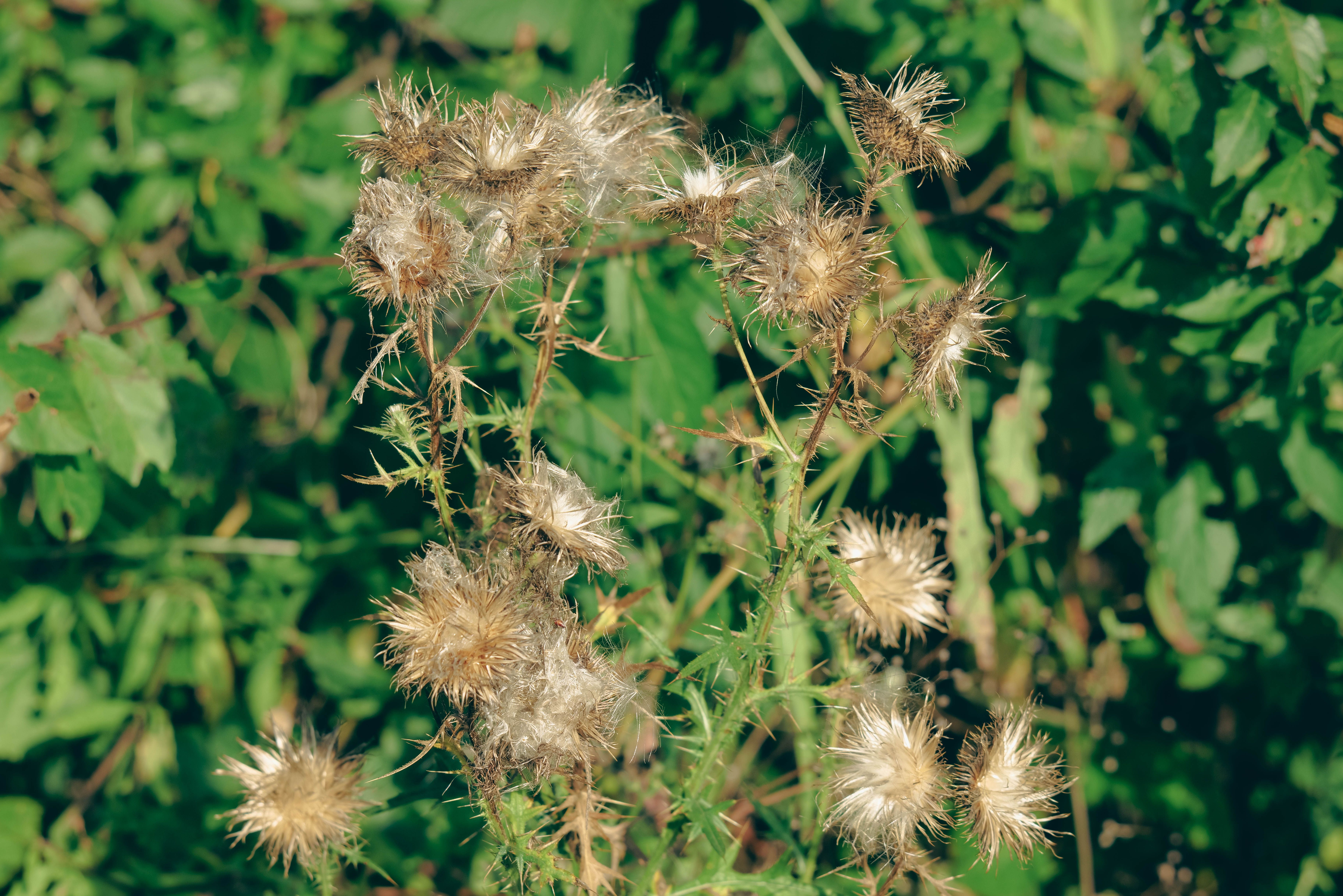
Understanding Weed Control Treatment
Weed control treatment refers to the planned use of techniques and products to reduce or eliminate unwanted plant growth. It can involve physical, cultural, biological, and chemical methods depending on the needs of the property.
Why Treatment Is Necessary
Weeds compete with lawns, flowers, shrubs, trees, and crops. If left unmanaged, they often spread quickly and become more difficult and expensive to remove.
Why One Method Does Not Fit Every Site
A small suburban lawn has very different needs from a commercial car park or a rural paddock. The best treatment must match the conditions of the property.
The Goal of Proper Treatment
Good weed control is not just about killing visible weeds. It also aims to reduce future regrowth and improve the health of desirable plants.
What Method Is Best for Weed Control
The best method for weed control is usually a combined strategy rather than relying on one single solution.
Integrated Weed Management
Integrated weed management means using several methods together. For example, weeds may be removed manually, followed by mulching, lawn repair, and selective spot treatment.
Why Combination Methods Work Better
Different weeds reproduce in different ways. Some spread by seed, others by roots or runners. Using multiple methods addresses these differences more effectively.
Long-Term Value
A combined approach often saves money because it reduces recurring infestations.
Manual Weed Control Methods
Manual weed control is one of the oldest and most practical options.
Hand Pulling
Pulling weeds by hand is useful for small gardens, isolated weeds, or sensitive areas where chemicals are not preferred. It works best when the soil is moist, and roots can be removed fully.
Hoeing and Digging
Using garden tools helps remove deeper roots and larger infestations.
Best Uses for Manual Control
Manual removal is excellent for vegetable gardens, flower beds, and young weeds before they seed.
Limitations
It can be time-consuming on large areas or with deeply rooted perennial weeds.
Mulching as a Weed Control Treatment
Mulching is one of the most effective preventive treatments available.
How Mulch Controls Weeds
Mulch blocks sunlight from reaching weed seeds, reducing germination. It also forms a physical barrier over the soil.
Additional Benefits
Mulch retains soil moisture, improves appearance, and moderates soil temperature.
Where It Works Best
Garden beds, around trees, pathways, and landscaped areas, benefit greatly.
Maintenance Needs
Mulch breaks down over time and should be topped up periodically.
Healthy Lawn Treatment for Natural Weed Control
A strong lawn is a natural defence against weeds.
Dense Turf Coverage
Thick grass shades the soil and leaves less room for weeds to establish.
Correct Mowing Height
Cutting too short weakens turf and encourages weed invasion.
Feeding and Watering
Healthy turf with proper nutrition and irrigation competes better against weeds.
Repairing Bare Patches
Overseeding or re-turfing weak areas helps stop weed entry.
Chemical Weed Control Treatments
Herbicides can be highly effective when used correctly.
Selective Herbicides
These target certain weeds while preserving lawns or specific plants. Often used in turf management.
Non-Selective Herbicides
These kill most vegetation they contact and are suitable for hard surfaces or renovation areas.
Pre-Emergent Herbicides
Used before weeds sprout, helping stop seeds from germinating.
Post-Emergent Herbicides
Applied after weeds have emerged and are actively growing.
Why Proper Use Matters
Wrong product choice or poor timing can lead to wasted money or plant damage.
Mechanical Weed Control Methods
Mechanical methods are common on larger properties.
Mowing and Slashing
Useful for reducing weed height and preventing seed set in open areas.
Brush Cutting
Helpful for rough terrain or dense overgrowth.
Cultivation
Turning soil can disrupt some weeds, though it may also bring buried seeds to the surface.
Best Situations
Large vacant blocks, rural land, roadside edges, and undeveloped sites.
Heat and Non-Chemical Treatments
Some people prefer alternative approaches.
Boiling Water
Useful for isolated pathway weeds when used carefully.
Steam or Flame Methods
Specialised systems may be used in certain commercial or municipal settings.
Limitations
These methods may not fully kill deep-rooted perennial weeds.
Biological Weed Control
This method uses living organisms to suppress weeds.
Natural Predators or Diseases
In some agricultural or environmental settings, insects or pathogens may be introduced to control invasive weeds.
Where It Is Used
Usually, in broader land management rather than small residential gardens.
Why It Is Specialised
Biological control requires scientific planning and regulation.
Best Weed Control for Lawns
Lawns are one of the most common areas of weed problems.
Use Selective Treatment
Selective herbicides can target broadleaf weeds while preserving turf when properly applied.
Improve Turf Health
Fertilising, aerating, and correct mowing are equally important.
Control Early
Young lawn weeds are easier to treat than mature ones.
Best Weed Control for Garden Beds
Garden beds need more precise care.
Mulching First
Mulch is often the best starting point.
Hand Removal Around Ornamentals
This avoids damage to valuable plants.
Spot Treatment When Needed
Careful targeted spraying may be used for stubborn weeds.
Best Weed Control for Driveways and Paths
Hard surfaces often attract weeds in cracks.
Remove Organic Debris
Dirt and leaves create a growing medium.
Spot Spray or Manual Removal
Both are common solutions depending on preference.
Seal Cracks Where Possible
Reducing gaps lowers future growth.
Best Weed Control for Large Properties
Larger sites need efficient systems.
Mechanical Reduction First
Mowing or slashing may reduce bulk growth.
Follow with Targeted Treatment
Spot spraying or broad-scale treatment can then be more efficient.
Ongoing Monitoring
Large land areas need recurring inspections.
Why Prevention Is Often the Best Method
Many people think weed control begins after weeds appear, but prevention is often superior.
Stop Seeds from Germinating
Mulch, dense lawns, and pre-emergents reduce future problems.
Lower Costs
Preventive maintenance is usually cheaper than restoration.
Less Labor
Small routine tasks replace major clean-up work.
Common Mistakes When Choosing a Method
Poor choices often lead to recurring issues.
Using One Method for Every Weed
Different weeds need different solutions.
Ignoring Timing
Spraying mature dormant weeds may give poor results.
Neglecting Follow-Up
Some weeds require repeat control.
Leaving Bare Soil Exposed
New weeds quickly return.
How Professionals Choose the Best Treatment
Experts assess several factors before deciding.
Weed Identification
Correct species identification is essential.
Location Sensitivity
Near pets, children, edible gardens, or waterways, treatment choices may differ.
Infestation Severity
Light outbreaks need different strategies from severe overgrowth.
Client Goals
Some want immediate cleanup, others want long-term prevention.
Seasonal Weed Control Strategy
Timing can improve success.
Spring
Excellent for early growth treatment.
Summer
Monitor irrigation-related weeds and dry-season invaders.
Autumn
Good for mulching and perennial control.
Winter
Useful for certain cool-season weeds.
How to Build the Best Weed Control Plan
A simple plan often works best.
Inspect Regularly
Weekly or fortnightly checks catch problems early.
Treat Small Weeds Fast
Quick action prevents spread.
Improve Plant Health
Healthy lawns and gardens resist weeds better.
Use Targeted Products Only When Needed
Avoid unnecessary blanket treatment.
Frequently Asked Questions
What method is best for weed control?
The best method is usually an integrated approach using prevention, manual removal, healthy lawn or garden care, mulching, and targeted herbicide treatment when necessary.
Is spraying always the best option?
No. Spraying can be effective, but many situations are better managed with mulching, hand removal, or lawn improvement.
How do I stop weeds from coming back?
Reduce bare soil, maintain healthy plants, remove weeds early, and use preventive strategies consistently.
Conclusion
There is no single magic solution for weeds because every property and every infestation is different. Some weeds respond best to hand removal, others need selective treatment, and many are prevented through healthier lawns, mulch, and better maintenance habits. The smartest approach focuses on both present control and future prevention.
So, what method is best for weed control? In most cases, the best method is a balanced combination of techniques chosen for the specific site. Integrated weed control delivers stronger, longer-lasting results than relying on one method alone.
Whether you manage a home lawn, a landscaped garden, a commercial site, or a large rural block, the most successful weed control treatment is the one that suits your land, addresses the right weed species, and is supported by regular maintenance. When strategy meets consistency, cleaner and healthier outdoor spaces become much easier to maintain.