

Designing a home is one of the most meaningful investments a person can make, both financially and emotionally. A well-designed home does more than provide shelter; it creates an environment that supports comfort, functionality, and personal expression. Custom home designs allow homeowners to move beyond standard layouts and create spaces that truly reflect their lifestyle, preferences, and long-term vision.
In design-forward cities such as Melbourne, the demand for custom homes continues to grow as people seek unique living environments that combine aesthetics with practicality. Instead of settling for pre-designed structures, homeowners are increasingly choosing tailored designs that suit their specific needs and tastes. This shift has led to a wide variety of home design styles, each offering its own characteristics and advantages.
One of the most common questions asked by those exploring custom builds is: What are the different types of home designs? Understanding these styles is essential for making informed decisions and creating a home that aligns with both personal and functional goals.
This guide explores Custom Home Designs in depth, examining various architectural styles, design principles, and modern trends. It provides a comprehensive overview of the options available, helping homeowners navigate the process of designing a home that is both beautiful and practical.
Understanding Custom Home Designs
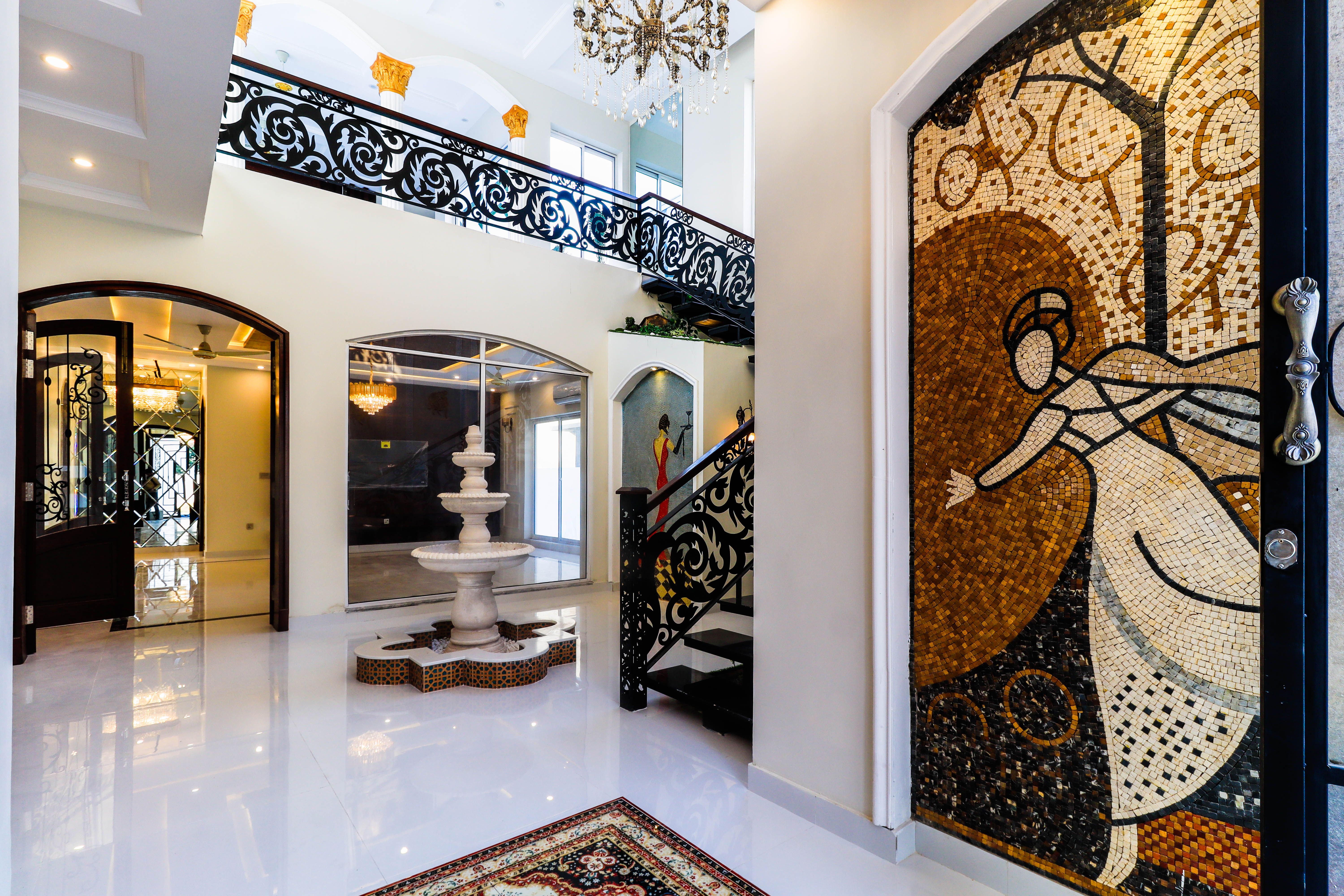
Custom home designs focus on creating a residence tailored to the homeowner’s needs, preferences, and lifestyle.
What Defines a Custom Home Design
A custom home design is created specifically for an individual or family, rather than being based on a standard template.
This approach allows for flexibility in layout, materials, and features, resulting in a home that is unique and personalised.
Why Customisation Matters
Customisation ensures that every aspect of the home serves a purpose and aligns with the homeowner’s vision.
It allows for better use of space, improved functionality, and a more meaningful living experience.
The Role of Architects and Designers
Professionals play a crucial role in translating ideas into practical designs.
They ensure that the home meets structural requirements while achieving the desired aesthetic.
What Are the Different Types of Home Designs
Home designs can be categorised into several styles, each with its own characteristics and appeal.
Traditional Home Designs
Traditional homes are inspired by historical architectural styles.
They often feature symmetrical layouts, classic detailing, and a sense of formality.
These homes are known for their timeless appeal and enduring charm.
Contemporary Home Designs
Contemporary homes reflect current design trends and emphasise simplicity and functionality.
They often include open-plan layouts, large windows, and clean lines.
Modern Home Designs
Modern homes focus on minimalism, efficiency, and innovative materials.
They are characterised by geometric shapes, flat roofs, and a strong connection between indoor and outdoor spaces.
Mediterranean Style Homes
Mediterranean homes are inspired by the architecture of Southern Europe.
They often feature stucco walls, tiled roofs, and arched windows.
Industrial Style Homes
Industrial homes draw inspiration from warehouses and factories.
They often include exposed brick, metal elements, and open spaces.
Farmhouse Style Homes
Farmhouse designs emphasise comfort and simplicity.
They often feature large porches, rustic materials, and cozy interiors.
Minimalist Home Designs
Minimalist homes focus on simplicity and functionality.
They use clean lines, neutral colours, and uncluttered spaces.
Luxury Home Designs
Luxury homes prioritise comfort, quality, and aesthetics.
They often include high-end materials, custom features, and advanced technology.
Key Elements of Custom Home Design
Several elements contribute to the success of a custom home design.
Layout and Space Planning
A well-planned layout ensures that spaces are functional and easy to navigate.
Open-plan designs and clear zoning are common features.
Material Selection
Materials play a significant role in both aesthetics and durability.
High-quality materials enhance the overall look and feel of the home.
Lighting Design
Lighting influences the atmosphere and functionality of a space.
A combination of natural and artificial lighting creates a balanced environment.
Interior Design
Interior design focuses on creating cohesive and visually appealing spaces.
It involves selecting colours, textures, and furnishings.
The Importance of Functionality
Functionality is a key consideration in custom home design.
Meeting Daily Needs
Homes should be designed to support everyday activities.
Maximizing Space
Efficient use of space ensures that every area serves a purpose.
Comfort and Convenience
Features such as storage solutions and climate control enhance comfort.
Flexibility
Homes should be adaptable to changing needs and lifestyles.
Trends in Custom Home Designs
Custom home design continues to evolve with new trends and innovations.
Sustainable Design
Eco-friendly materials and energy-efficient systems are becoming more popular.
Smart Home Technology
Automation systems enhance convenience and efficiency.
Open-Plan Living
Spacious layouts create a sense of openness and connectivity.
Personalized Spaces
Homeowners are seeking unique designs that reflect their individuality.
Challenges in Custom Home Design
Designing a custom home comes with certain challenges.
Budget Constraints
Balancing design aspirations with financial limitations can be difficult.
Decision-Making
Homeowners must make numerous choices throughout the process.
Time Requirements
Custom designs often take longer to complete.
Coordination
Effective collaboration among professionals is essential.
Benefits of Custom Home Designs
Custom homes offer several advantages over standard designs.
Personalization
Homeowners can tailor every aspect of their home.
Quality
Custom homes often use higher-quality materials and construction methods.
Long-Term Value
Well-designed homes retain their value over time.
Enhanced Lifestyle
Custom features improve comfort and functionality.
The Design Process for Custom Homes
The process of designing a custom home involves several stages.
Initial Planning
Defining goals, budget, and preferences sets the foundation.
Concept Development
Designers create initial concepts based on the homeowner’s vision.
Detailed Design
Plans are refined and finalised, including materials and layouts.
Construction
Builders bring the design to life, ensuring quality and accuracy.
Choosing the Right Design Style
Selecting the right design style is an important decision.
Considering Lifestyle
The design should align with daily routines and activities.
Evaluating Preferences
Personal taste plays a significant role in design choices.
Assessing Location
The surrounding environment influences design decisions.
Balancing Trends and Timelessness
A combination of modern trends and classic elements ensures lasting appeal.
Frequently Asked Questions
What are the different types of home designs?
Common types include traditional, contemporary, modern, Mediterranean, industrial, farmhouse, minimalist, and luxury designs.
Which home design is best for modern living?
Contemporary and modern designs are often preferred for their functionality, open spaces, and integration of technology.
Is a custom home design worth it?
Yes, it allows for complete personalisation, improved functionality, and long-term value.
Conclusion
Custom home designs provide an opportunity to create a living space that reflects personal style, meets practical needs, and enhances overall quality of life. Understanding what the different types of home designs are helps homeowners explore their options and make informed decisions.
From traditional and modern styles to innovative and personalised designs, the possibilities are vast. Each type offers unique characteristics that cater to different preferences and lifestyles.
By working with experienced professionals and carefully considering design elements, homeowners can achieve a home that is both beautiful and functional. In a dynamic and design-focused environment like Melbourne, custom homes continue to set new standards for modern living.