

Melbourne’s skyline tells a story that goes far beyond steel, glass, and concrete. It reflects a city that constantly evolves—balancing heritage charm with bold, modern innovation. From the leafy suburbs filled with Victorian terraces to cutting-edge urban developments, construction in Melbourne is not just about creating structures; it is about shaping how people live, work, and connect.
The demand for quality construction has grown alongside Melbourne’s population and reputation as one of the world’s most livable cities. Homeowners, investors, and developers are no longer satisfied with generic builds. Instead, they seek craftsmanship, sustainability, and designs that respond to both lifestyle and environment.
Melbourne builders play a crucial role in this transformation. They are not just contractors executing plans; they are collaborators, problem-solvers, and visionaries who translate ideas into tangible spaces. Their work defines neighbourhoods, influences property values, and ultimately contributes to the identity of the city itself.
Understanding how builders operate in Melbourne, what sets them apart, and how they adapt to changing trends provides valuable insight for anyone planning a construction project or simply interested in the built environment of this dynamic city.
The Unique Landscape of Building in Melbourne
A Blend of Heritage and Innovation
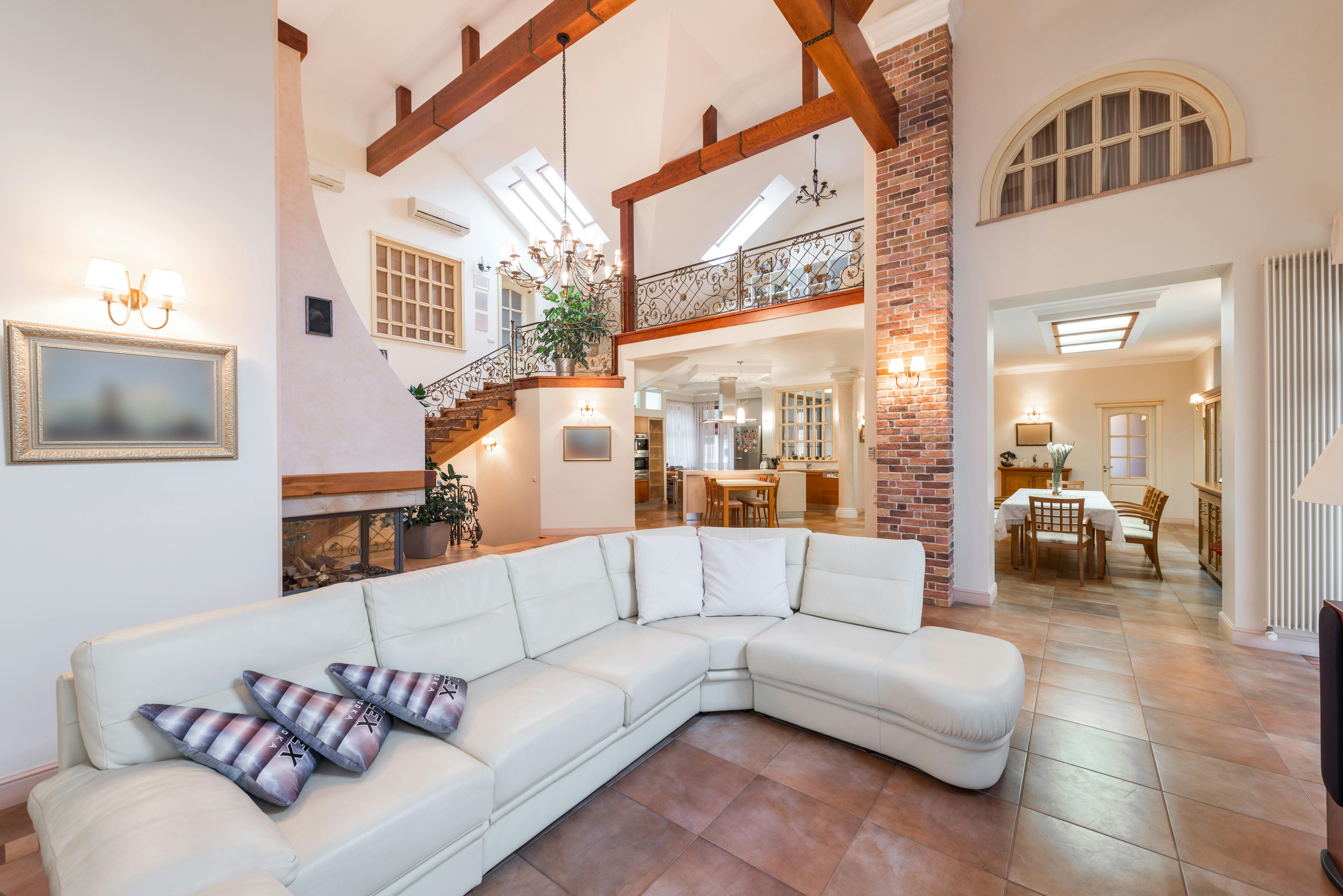
Melbourne is known for its architectural diversity. Builders must often navigate strict heritage overlays while still delivering modern functionality. Renovating a century-old home requires preserving historical elements such as facades, mouldings, and structural layouts, while seamlessly integrating contemporary features like open-plan living or energy-efficient systems.
This balance demands not only technical skill but also a deep appreciation of architectural history. Builders in Melbourne often work closely with heritage consultants and local councils to ensure compliance while maintaining design integrity.
Navigating Regulations and Compliance
The regulatory environment in Melbourne is complex and constantly evolving. Builders must comply with state building codes, local council requirements, and zoning laws. Permits, inspections, and certifications are essential steps in any project.
Experienced builders understand how to streamline these processes. They anticipate potential delays, prepare documentation thoroughly, and communicate effectively with authorities. This expertise can significantly reduce project timelines and prevent costly setbacks.
Climate Considerations in Construction
Melbourne’s famously unpredictable weather influences building design and materials. Homes must withstand temperature fluctuations, heavy rains, and occasional heatwaves.
Builders incorporate insulation, ventilation, and weather-resistant materials to ensure durability and comfort. Design decisions such as window placement, roofing materials, and drainage systems are all influenced by the local climate.
Urban Density and Space Optimisation
As Melbourne grows, land becomes more valuable, particularly in inner-city areas. Builders are increasingly tasked with maximising limited space without compromising functionality or aesthetics.
This has led to innovative solutions such as vertical extensions, multi-functional rooms, and compact yet efficient layouts. Builders must think creatively while adhering to structural and safety requirements.
What Sets Melbourne Builders Apart
Emphasis on Customisation
Unlike mass-produced housing in some regions, Melbourne construction often prioritises bespoke design. Builders collaborate closely with clients to tailor every aspect of a project—from floor plans to finishes.
This approach ensures that each build reflects the client’s lifestyle, preferences, and long-term goals. It also requires builders to be flexible and adaptable throughout the construction process.
Strong Focus on Sustainability
Sustainability is no longer optional; it is a core expectation. Builders in Melbourne are increasingly incorporating eco-friendly practices, such as using recycled materials, installing solar panels, and optimising energy efficiency.
Green building certifications and environmentally conscious designs are becoming standard. Builders must stay informed about sustainable technologies and materials to meet client expectations and regulatory requirements.
Skilled Workforce and Craftsmanship
Melbourne’s construction industry benefits from a highly skilled workforce. Tradespeople, architects, and engineers bring expertise that contributes to high-quality outcomes.
Builders coordinate these professionals, ensuring that each aspect of the project meets strict standards. Attention to detail and craftsmanship are key factors that distinguish Melbourne builds from more generic constructions.
Client-Centric Approach
Communication is a defining characteristic of successful builders in Melbourne. Clients expect transparency, regular updates, and clear timelines.
Builders who prioritise client relationships often achieve better results. They manage expectations, address concerns promptly, and ensure that clients feel involved throughout the process.
The Building Process: From Concept to Completion
Initial Consultation and Planning
Every successful project begins with a clear understanding of the client’s vision. Builders conduct consultations to discuss goals, budgets, and timelines.
This stage often involves feasibility studies, site assessments, and preliminary design concepts. Builders provide guidance on what is achievable within the given constraints.
Design Development and Approvals
Once the concept is defined, detailed designs are created. Builders work with architects and designers to refine plans and ensure compliance with regulations.
Obtaining permits and approvals is a critical step. Builders manage this process, ensuring that all documentation is accurate and submitted on time.
Construction Phase
The construction phase is where plans become reality. Builders coordinate trades, manage schedules, and oversee quality control.
This stage requires constant monitoring to ensure that work progresses according to plan. Builders address challenges as they arise, maintaining momentum and minimising delays.
Finalisation and Handover
Upon completion, builders conduct inspections and ensure that all aspects of the project meet standards. Any final adjustments are made before handing over the property to the client.
This stage also includes providing documentation, warranties, and guidance on maintenance.
Trends Shaping the Future of Building in Melbourne
Smart Home Integration
Technology is transforming residential construction. Builders are increasingly incorporating smart home systems that allow homeowners to control lighting, security, and climate through digital devices.
This trend enhances convenience and energy efficiency, making it a popular choice among modern homeowners.
Sustainable Urban Development
Melbourne’s growth has led to a focus on sustainable urban planning. Builders are contributing to developments that prioritise green spaces, public transport access, and community integration.
These projects aim to create livable environments that balance density with quality of life.
Modular and Prefabricated Construction
Prefabrication is gaining traction as a way to reduce construction time and costs. Builders are exploring modular designs that can be assembled efficiently without compromising quality.
This approach also minimises waste, aligning with sustainability goals.
Adaptive Reuse of Existing Structures
Rather than demolishing older buildings, many projects involve repurposing existing structures. Builders transform warehouses, factories, and heritage buildings into modern residential or commercial spaces.
This trend preserves historical character while meeting contemporary needs.
Choosing the Right Builder in Melbourne
Evaluating Experience and Portfolio
A builder’s past projects provide valuable insight into their capabilities. Reviewing portfolios helps clients assess quality, style, and consistency.
Experience in similar projects is particularly important, as it indicates familiarity with specific challenges and requirements.
Understanding Contracts and Pricing
Transparency in pricing is essential. Builders should provide detailed quotes that outline costs and timelines.
Clients must understand contract terms, including payment schedules and contingency provisions. Clear agreements help prevent misunderstandings and disputes.
Communication and Trust
Trust is a fundamental factor in any construction project. Builders who communicate openly and consistently build stronger relationships with clients.
Regular updates, responsiveness, and honesty contribute to a positive experience and successful outcome.
Importance of Licensing and Insurance
Working with licensed and insured builders ensures compliance with legal requirements and protects clients from potential risks.
This includes coverage for accidents, damages, and other unforeseen events during construction.
Frequently Asked Questions
What should I consider before hiring a builder in Melbourne?
It is important to evaluate the builder’s experience, portfolio, licensing, and communication style. Understanding your budget and project goals beforehand will also help ensure a smoother process.
How long does a typical building project take?
The timeline varies depending on the complexity and size of the project. Smaller renovations may take a few months, while larger custom builds can take a year or more, including planning and approvals.
Are sustainable building options more expensive?
While some sustainable features may have higher upfront costs, they often result in long-term savings through reduced energy consumption and maintenance expenses.
Conclusion
Melbourne’s construction landscape is defined by its diversity, innovation, and commitment to quality. Builders in this city operate within a unique environment that demands both technical expertise and creative problem-solving. From navigating heritage requirements to embracing sustainable practices, their work reflects the evolving needs of a modern urban population.
Choosing the right builder involves more than comparing prices; it requires understanding their approach, experience, and ability to deliver on a vision. As trends continue to shape the industry, builders who adapt and innovate will remain at the forefront of Melbourne’s growth.
For homeowners and developers alike, working with skilled professionals ensures that projects are not only completed successfully but also contribute meaningfully to the city’s architectural and cultural identity.