

Construction projects represent significant investments of time, resources, and expertise. Every building, whether residential, commercial, or industrial, must meet strict standards to ensure structural stability, operational performance, and occupant safety. Despite careful planning and detailed engineering design, construction errors may still occur when workmanship, materials, or installation methods are not properly monitored.
Construction inspection exists to bridge the gap between design and reality. It confirms that what is built on site truly reflects approved plans, engineering calculations, and regulatory requirements. Through systematic inspection, construction professionals identify issues early, prevent costly defects, and ensure long-term building performance.
One of the most frequently asked questions in construction quality control is: What is a 7-point inspection? This inspection framework organises construction evaluation into seven essential areas that collectively determine whether a building is safe, functional, and ready for occupancy.
This guide provides a comprehensive discussion of Construction Inspection, explains the seven-point inspection method in detail, and highlights why structured inspections are vital to successful construction projects.
Understanding Construction Inspection
Construction inspection is a professional process of examining building work during and after construction to verify compliance with technical standards, building codes, and approved design documents. It ensures that construction quality matches engineering intent.
What is Construction Inspection?
Construction inspection involves continuous observation and evaluation of construction activities. Inspectors review materials, workmanship, installation procedures, and completed systems. The objective is not to criticise construction teams but to confirm accuracy, safety, and performance.
Unlike a single final inspection conducted at project completion, construction inspection occurs throughout the building process. This ongoing monitoring allows corrections to be made immediately, preventing hidden defects from becoming permanent problems.
Purpose of Construction Inspection
Construction inspections serve several essential purposes. They ensure quality assurance, confirming that construction meets specifications and industry standards. They protect safety by preventing structural failures, electrical hazards, and operational risks. They verify regulatory compliance, confirming adherence to local building laws and engineering requirements. Inspections also reduce long-term costs by identifying defects early, allowing corrections before they become expensive repairs after project completion.
Who Performs Construction Inspections
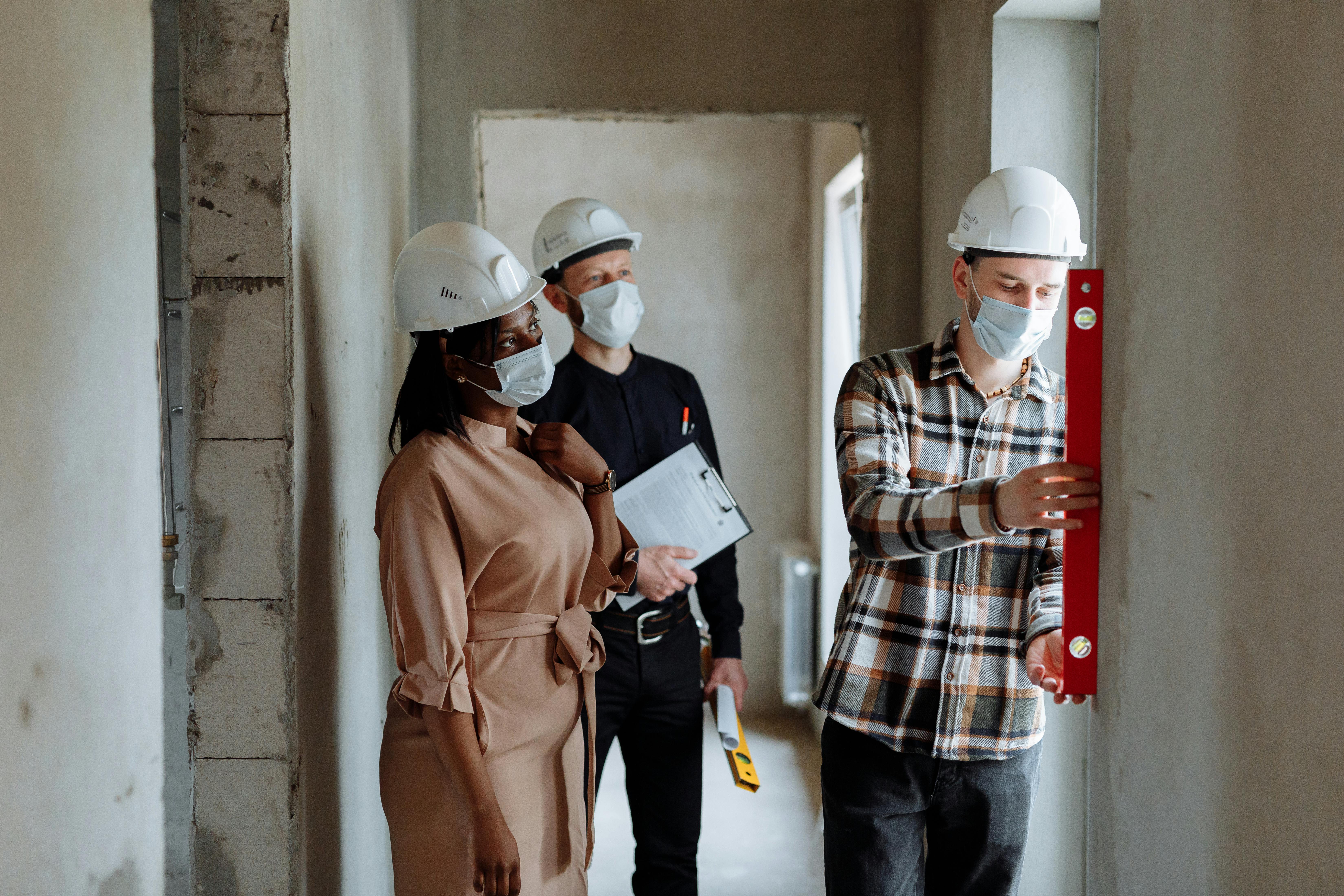
Construction inspections are conducted by qualified professionals with specialised expertise.
Building inspectors evaluate overall compliance with building codes and approved plans, verifying whether construction activities meet regulatory requirements and safety standards.
Structural engineers assess load-bearing components such as foundations, beams, slabs, and columns to confirm structural integrity.
Mechanical engineers inspect heating, ventilation, and air-conditioning systems, evaluating equipment installation, airflow distribution, and system performance.
Electrical inspectors examine wiring systems, distribution panels, grounding systems, and electrical safety devices to prevent fire hazards and operational failures.
Plumbing inspectors review water supply systems, drainage installations, and sanitary components, ensuring leak prevention, proper water pressure, and safe waste disposal.
Quality assurance officers coordinate inspection documentation, track deficiencies, and ensure corrective actions are completed before construction progresses.
Each professional contributes specialised knowledge, allowing construction inspection to address every technical aspect of a building comprehensively.
What is a 7 Point Inspection
A 7-point inspection is a structured construction inspection method that evaluates seven critical areas of a building project. Instead of examining isolated components, the approach ensures that all major building systems function together safely and efficiently.
The seven inspection areas include the site and foundation, structural framework, building envelope, mechanical systems, electrical systems, plumbing systems, and final finishing with safety verification.
This method simplifies complex construction evaluation into a logical sequence that captures the most common sources of construction defects. By inspecting these areas thoroughly, professionals reduce risk, improve quality, and enhance long-term building performance.
Site Preparation and Foundation Inspection
The first inspection area focuses on site preparation and foundation construction. The foundation transfers building loads to the ground, making it the most critical structural element.
Site Evaluation
Inspectors examine soil conditions, excavation work, drainage planning, and ground stability. Soil must be properly compacted and capable of supporting structural loads. Poor soil preparation can lead to settlement, cracked walls, or uneven floors.
Drainage systems are also evaluated to ensure water does not accumulate around the foundation, which may weaken structural elements over time.
Foundation Construction Review
During foundation construction, inspectors verify reinforcement placement, footing dimensions, concrete quality, and curing procedures. Waterproofing installations are checked carefully because moisture infiltration can cause long-term deterioration.
Common issues discussed during this stage include insufficient reinforcement bars, incorrect foundation depth, and improper concrete mixing. Addressing these problems early protects the entire structure.
Structural Framework Inspection
After the foundation is completed, inspection moves to the structural framework, which forms the building’s skeleton.
Structural Components Examined
Inspectors evaluate columns, beams, floor slabs, roof structures, and load-bearing walls. Alignment accuracy and reinforcement spacing are checked against structural drawings. Structural engineers carefully review welding quality, bolt connections, and concrete finishing to ensure the structure can resist vertical and lateral loads such as wind or earthquakes.
Importance of Structural Verification
Even small deviations in structural elements may lead to cracks, excessive deflection, or long-term instability. Inspectors ensure that construction teams follow engineering specifications precisely, preventing safety risks and future structural repairs.
Building Envelope Inspection
The building envelope separates indoor spaces from external environmental conditions. It protects occupants from rain, wind, heat, and moisture.
Envelope Components Reviewed
Inspection covers roofing systems, exterior walls, cladding materials, insulation layers, windows, doors, flashing systems, and sealants. Inspectors verify proper installation because the building envelope directly affects durability and energy performance.
Moisture Protection and Energy Efficiency
Water intrusion is one of the most common causes of building deterioration. Inspectors examine waterproof membranes and sealing details to prevent leaks. Thermal insulation continuity is also evaluated to ensure energy efficiency, indoor comfort, and reduced operational costs.
Mechanical Systems Inspection
Mechanical systems regulate temperature, airflow, and environmental comfort within a building.
HVAC System Evaluation
Inspectors review equipment placement, duct installation, airflow balance, and ventilation provisions. Proper installation ensures efficient heating and cooling performance while reducing energy consumption. Mechanical engineers also confirm accessibility for maintenance, ensuring equipment can be serviced safely in the future.
Indoor Environmental Quality
Ventilation systems are checked to confirm adequate fresh air supply and effective removal of contaminants. Good mechanical inspection contributes directly to occupant health and building performance.
Electrical Systems Inspection
Electrical inspection focuses on safety, reliability, and operational functionality.
Electrical Components Evaluated
Inspectors examine wiring methods, electrical panels, grounding systems, lighting installations, and emergency power provisions. Compliance with electrical codes is critical to preventing fire hazards. Testing procedures verify system performance under operational loads. Inspectors ensure protective devices function correctly to avoid overheating or electrical failure.
Common Electrical Issues Discussed
Typical deficiencies include overloaded circuits, improper grounding, poor cable management, and insufficient labelling. Detecting these issues during construction significantly improves long-term safety.
Plumbing and Water Systems Inspection
Plumbing inspection ensures reliable water distribution and sanitary operation.
Plumbing Elements Reviewed
Inspection includes water supply lines, drainage systems, sewer connections, fixtures, and pipe pressure testing. Leak prevention is a primary focus because hidden plumbing failures can damage structural components. Inspectors verify coordination between plumbing installations and waterproofing systems, particularly in bathrooms, kitchens, and mechanical rooms.
Efficiency and Sustainability Considerations
Modern plumbing inspections often include evaluation of water-efficient fixtures and proper waste management systems, supporting sustainable building practices.
Final Finishing and Safety Inspection
The final inspection stage confirms that the building is complete and ready for safe occupancy.
Finishing Work Evaluation
Inspectors review wall finishes, flooring installations, ceiling systems, doors, hardware, and accessibility features. Quality finishing contributes to durability and user satisfaction.
Life Safety Verification
Critical safety systems undergo detailed examination, including fire alarms, emergency exits, smoke detection devices, and fire protection systems. Inspectors confirm compliance with safety regulations before occupancy approval.
Operational Readiness
All building systems are tested together to ensure proper coordination and performance. Any remaining deficiencies are corrected before final acceptance.
The Construction Inspection Process
Construction inspection follows a systematic workflow designed to ensure thorough evaluation.
Planning and Preparation
Inspectors review construction drawings, technical specifications, and project schedules to define inspection checkpoints.
On-Site Monitoring
Regular site visits allow inspectors to observe construction activities, verify installations, and communicate corrections immediately.
Testing and Measurement
Inspection tools such as laser levels, moisture meters, airflow testers, and electrical instruments provide accurate performance evaluation.
Documentation and Reporting
Detailed reports document findings, highlight deficiencies, and recommend corrective actions. These records provide transparency and accountability throughout the project.
Benefits of Implementing a 7 Point Inspection
Implementing a 7-point inspection improves construction quality through consistent monitoring of critical building systems.
It reduces maintenance costs because defects are corrected before they become expensive repairs after occupancy.
It enhances safety performance by identifying hazards early and ensuring systems function properly.
It increases accountability among contractors and project teams through documented inspection records.
It raises property value since well-inspected buildings inspire confidence among owners, investors, and occupants.
Each of these advantages contributes to a building that performs reliably throughout its service life.
Common Problems Detected During Construction Inspections
Common problems detected include inadequate soil compaction leading to settlement and structural cracking, improper reinforcement placement reducing structural strength, poor waterproofing installations that allow moisture intrusion, incorrect HVAC installation causing inefficient heating or cooling performance, electrical grounding deficiencies creating safety hazards, plumbing leaks concealed within walls or floors, and non-compliant fire safety systems that may endanger occupants.
Identifying and discussing these problems ensures preventive action is taken before construction completion.
Best Practices for Effective Construction Inspection
Effective construction inspections require early involvement of inspectors to identify risks during the planning stage. Clear communication among engineers, contractors, and inspectors ensures deficiencies are addressed promptly.
Comprehensive documentation supports regulatory approval, maintenance planning, and future renovations. Continuous professional development allows inspectors to stay updated with evolving construction technologies, materials, and safety standards.
Frequently Asked Questions
What is a 7-point inspection?
A 7-point inspection is a comprehensive construction inspection framework that evaluates seven essential building areas: foundation, structural framework, building envelope, mechanical systems, electrical systems, plumbing systems, and final safety readiness.
When should a 7-point inspection be conducted?
It is performed throughout construction, beginning with site preparation and continuing through structural work, system installation, and completion before occupancy approval.
Why is construction inspection important even for new buildings?
New construction can still contain hidden defects. Inspections verify workmanship quality, ensure compliance with standards, and prevent costly repairs or safety risks after turnover.
Conclusion
Construction inspection plays a fundamental role in ensuring that buildings are safe, durable, and functional. It transforms construction from a process dependent solely on workmanship into one supported by verification, accountability, and professional oversight.
The 7-point inspection method offers a practical and organised approach to evaluating construction quality across all major building systems. By carefully examining foundations, structural components, building envelopes, mechanical installations, electrical networks, plumbing systems, and final safety conditions, inspectors help prevent defects that could compromise performance or safety.
Ultimately, construction inspection protects not only structures but also the people who use them. A building that undergoes thorough inspection stands as a testament to responsible construction practices, sound engineering, and long-term commitment to quality and safety.