

Events, whether personal or professional, are often remembered not only for the activities that took place but also for the environment in which they happened. The venue plays a critical role in shaping the overall experience of guests and participants. A well-organised and comfortable venue allows people to focus on the purpose of the gathering, encourages meaningful interaction, and creates lasting impressions.
One of the most common and practical venues used for organised gatherings today is a function room facility. These spaces are specifically designed to host events such as business meetings, seminars, conferences, training sessions, weddings, and social celebrations. Unlike ordinary rooms, function rooms are built with flexibility, comfort, and event functionality in mind.
Function room facilities have become an essential part of the hospitality and event management industries. They provide structured spaces where organisers can arrange seating, manage presentations, coordinate catering services, and ensure that guests experience a well-planned event. From small private meetings to large celebrations, function rooms offer an adaptable environment that supports a wide variety of activities.
Understanding what a function room facility is and what makes it effective can help event planners, businesses, and individuals choose the right venue for their gatherings. The following sections explore the concept of Perfect Function Room Facilities, their features, uses, and the elements that make them ideal for successful events.
Understanding What a Function Room Facility Is
A function room facility is a designated indoor space specifically designed to host organised events and gatherings. These rooms are commonly found in hotels, resorts, conference centres, restaurants, and event venues. They are created to provide a structured environment where people can meet, celebrate, discuss ideas, or participate in various organised activities.
Function rooms differ from ordinary rooms because they are designed with event flexibility and practicality in mind. The space can be rearranged depending on the purpose of the event, and it is often equipped with essential tools such as sound systems, projectors, and lighting equipment that support presentations and social activities.
Function room facilities also provide an environment that allows event organisers to manage every aspect of the gathering. Seating arrangements, decorations, lighting, and catering services can be coordinated within the space to create an atmosphere that suits the event.
Definition and Core Concept of a Function Room Facility
A function room facility refers to a room or hall that is intentionally designed to host formal or informal events. The term “function” refers to the specific activity or event being held, while the facility includes not only the physical room but also the equipment and services available to support the event.
These rooms are designed to accommodate groups of people comfortably while providing the necessary infrastructure for communication and interaction. For example, a seminar may require a stage and presentation equipment, while a banquet may require dining tables and decorative elements. The ability to adapt to these different requirements makes function rooms highly versatile spaces.
Purpose of a Function Room Facility
The purpose of a function room facility is to provide a convenient and well-equipped environment where gatherings can take place efficiently and comfortably. These facilities allow event organisers to focus on the program and objectives of the event while the venue supports the logistical requirements.
Function rooms are particularly valuable because they create a controlled setting where lighting, temperature, sound, and seating arrangements can be managed effectively. This controlled environment ensures that guests and participants can enjoy the event without distractions or discomfort.
The Evolution of Function Room Facilities
Function room facilities did not appear overnight. Their development reflects the changing needs of societies, businesses, and social gatherings. As events became more structured and complex, the demand for specialised venues increased. Understanding how function rooms evolved helps explain why modern venues are designed the way they are today.
Traditional Gathering Spaces in the Past
In earlier times, gatherings were typically held in community halls, large residential homes, religious buildings, or simple meeting rooms. These spaces served the basic purpose of bringing people together, but they were not always designed with event functionality in mind.
Organisers often had to arrange furniture manually, bring in their own equipment, and adjust the space to accommodate the needs of the event. Sound systems, lighting, and seating arrangements were usually limited, making it challenging to host large or complex gatherings.
Despite these limitations, such spaces played an important role in community life and laid the foundation for the modern concept of event venues.
Modern Development of Function Room Facilities
As the hospitality and tourism industries grew, hotels and convention centres began offering specialised spaces designed specifically for events. These spaces became known as function rooms and were equipped with features that made event planning easier and more efficient.
Modern function room facilities now include advanced technology, adjustable partitions, high-quality sound systems, and digital presentation tools. Many venues also provide professional event coordinators who assist with planning and logistics.
The evolution of function rooms reflects the growing importance of organised events in business, education, and social life. Today, these facilities are essential components of many hotels and event centres around the world.
Key Characteristics of a Function Room Facility
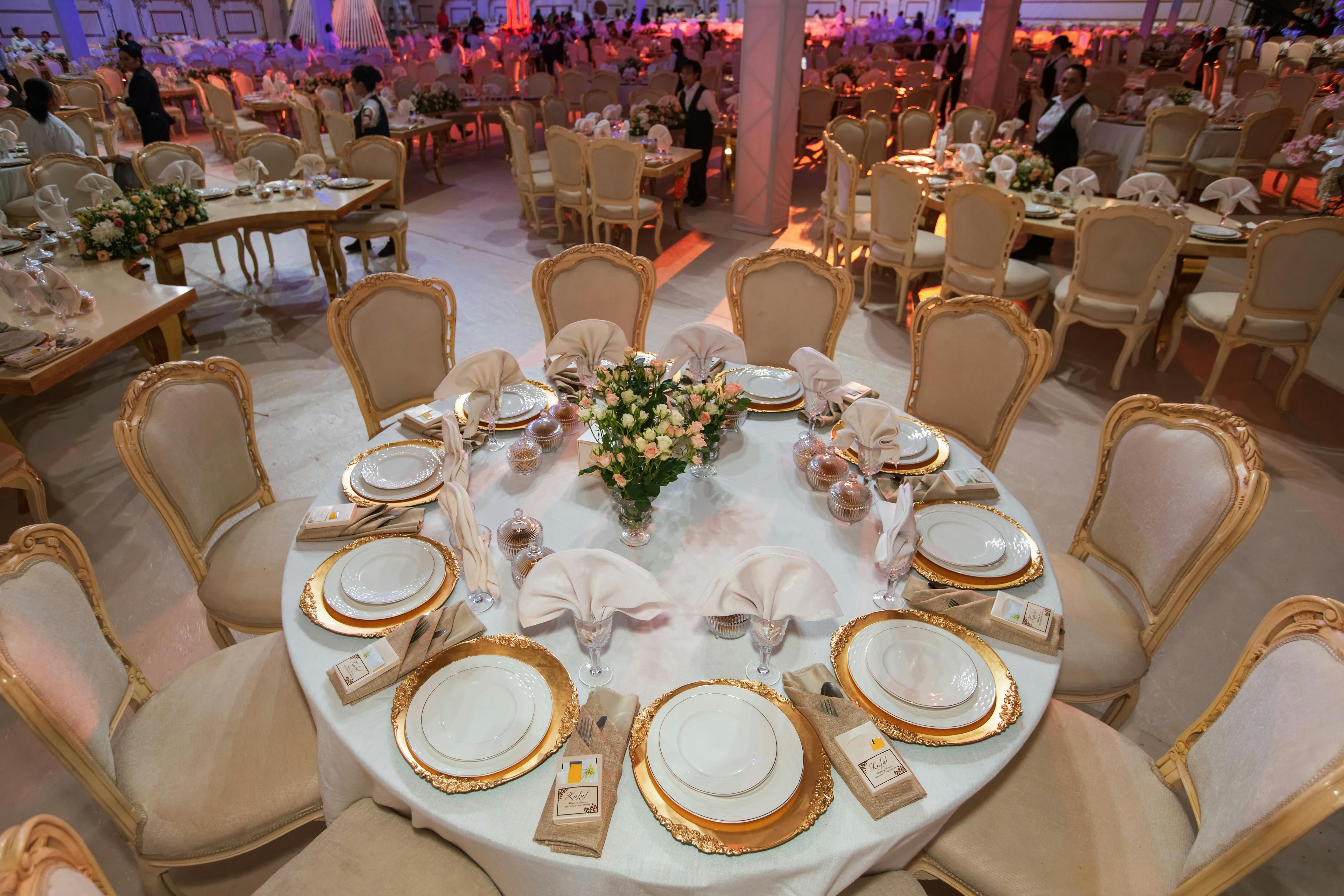
Function room facilities share several common characteristics that distinguish them from ordinary spaces. These features make them particularly suitable for hosting events and gatherings.
Understanding these characteristics helps event organisers evaluate whether a venue can effectively support their event requirements.
Flexible Room Layout and Arrangement
One of the most important features of a function room facility is its ability to adapt to different layouts. Event organisers may need to change the seating arrangement depending on the type of gathering.
For instance, a seminar may require rows of chairs facing a presentation area, while a workshop may require tables arranged in small groups to encourage collaboration. A wedding reception may require banquet tables and a dance floor.
Function rooms are designed with movable furniture and modular equipment that allow these changes to be made easily. This flexibility ensures that the space can accommodate various types of events without major structural adjustments.
Availability of Event Support Equipment
Function room facilities are typically equipped with tools that support presentations, speeches, and multimedia activities. These may include projectors, large display screens, microphones, and professional sound systems.
These tools help ensure that participants can clearly hear speakers and see visual materials during the event. For business conferences, training programs, and educational seminars, such equipment is essential for effective communication.
Professional Event Assistance
Another important characteristic of function room facilities is the availability of trained staff who assist with event coordination. These professionals help set up the room, manage equipment, and address technical issues that may arise during the event.
Having professional support allows event organisers to focus on the program and content of the gathering rather than worrying about logistical challenges.
Types of Events Hosted in Function Room Facilities
Function room facilities are designed to accommodate a wide variety of events. Their versatility makes them suitable for both professional and social gatherings.
Different types of events require different setups and services, and function rooms provide the flexibility needed to meet these varying requirements.
Corporate and Business Events
Businesses frequently use function room facilities for meetings, conferences, seminars, and training programs. These events require a professional environment where participants can exchange ideas, present information, and collaborate effectively.
Corporate gatherings often involve presentations and discussions that require audiovisual equipment and structured seating arrangements. Function rooms provide the tools and environment necessary to support these activities.
Social Celebrations and Gatherings
Function rooms are also popular venues for personal celebrations such as weddings, birthday parties, anniversaries, and family reunions. These events often involve dining, entertainment, and social interaction.
The indoor setting of a function room allows hosts to control the atmosphere through lighting, decorations, and music. This controlled environment helps create a memorable experience for guests.
Educational and Training Events
Educational institutions and organisations often use function rooms for workshops, lectures, and training programs. These events require an environment that supports learning and discussion.
Function room facilities provide the necessary equipment for presentations and group activities, making them ideal venues for educational gatherings.
Essential Features of a Perfect Function Room Facility
Not all function rooms offer the same level of quality and convenience. A perfect function room facility includes several important features that contribute to the success of an event.
These features ensure that the venue can support both the practical and experiential aspects of a gathering.
Appropriate Space and Capacity
A well-designed function room must provide enough space to accommodate guests comfortably. Adequate space allows participants to move freely and interact without feeling crowded.
Event organisers must consider the number of attendees and the type of activities planned when selecting a venue. A room that is too small may cause discomfort, while a room that is too large may reduce the sense of engagement among participants.
Advanced Audio and Visual Systems
Clear communication is essential for many events, particularly conferences and presentations. A perfect function room facility provides high-quality sound systems and visual display equipment that ensure all participants can hear and see the presentation clearly.
Modern audiovisual technology enhances the effectiveness of speeches, presentations, and multimedia content.
Reliable Internet and Digital Connectivity
Internet access has become an essential feature of modern events. Participants may need to access online resources, share information, or join virtual sessions during the event.
Reliable internet connectivity allows event organisers to incorporate digital elements into their programs without technical interruptions.
The Importance of Location for Function Room Facilities
The location of a function room facility can significantly influence the success of an event. Accessibility and convenience are key factors that affect attendance and guest satisfaction.
Event organisers often consider transportation options, nearby amenities, and overall convenience when selecting a venue.
Accessibility and Transportation Convenience
A function room facility located in a central or easily accessible area makes it easier for guests to attend the event. Proximity to major roads, public transportation, and parking areas ensures that participants can arrive without difficulty.
Convenient access reduces travel stress and increases the likelihood of strong attendance.
Proximity to Accommodation and Amenities
For events that involve guests travelling from different locations, nearby accommodation options are an important consideration. Hotels located close to the function room facility allow participants to stay nearby and attend the event without long commutes.
Nearby restaurants, shopping centres, and recreational attractions can also enhance the overall experience for guests.
The Role of Technology in Modern Function Rooms
Technology has become a central component of modern event spaces. Function room facilities now integrate digital tools that enhance communication, collaboration, and engagement.
These technological advancements allow events to be more dynamic and interactive.
Smart Presentation and Collaboration Tools
Modern function rooms may include interactive displays, wireless presentation systems, and digital whiteboards that allow speakers to present information more effectively.
These tools enable presenters to share content easily and engage audiences through interactive demonstrations.
Support for Hybrid and Virtual Events
Many events today involve both in-person and remote participants. Function room facilities equipped with video conferencing systems and streaming technology allow virtual attendees to join the event from anywhere in the world.
This capability expands the reach of events and allows organisations to connect with larger audiences.
Benefits of Using a Function Room Facility
Choosing a function room facility offers several advantages that contribute to the success of an event. These benefits make function rooms a preferred choice for both businesses and individuals.
Professional and Organised Event Environment
Function rooms provide a professional setting that enhances the credibility and structure of meetings and conferences. The organised layout and specialised equipment help participants stay focused on the event’s objectives.
Convenience for Event Planning
Hosting an event in a function room facility simplifies many logistical aspects of planning. The venue typically provides furniture, technical equipment, and staff assistance, reducing the need for external arrangements.
Comfortable and Controlled Atmosphere
Function rooms offer climate control, proper lighting, and comfortable seating that create a pleasant environment for guests. These features ensure that participants remain comfortable throughout the event.
Frequently Asked Questions
What is a function room facility?
A function room facility is a dedicated space designed to host events such as meetings, conferences, celebrations, and workshops. It includes the physical room along with equipment and services that support organised gatherings.
Why are function rooms important for events?
Function rooms provide a structured and well-equipped environment that helps events run smoothly. They offer flexible layouts, audiovisual equipment, and comfortable settings that enhance the experience of participants.
What types of venues usually offer function room facilities?
Hotels, resorts, convention centres, restaurants, and specialised event venues commonly offer function room facilities for different types of gatherings.
Conclusion
Function room facilities play a vital role in the success of modern events. By providing flexible spaces, essential equipment, and professional support, these venues create an environment where gatherings can be organised efficiently and comfortably.
Whether hosting a corporate meeting, educational seminar, or social celebration, choosing the right function room facility ensures that the event can be conducted smoothly and effectively. As event expectations continue to evolve, these spaces will remain central to bringing people together for meaningful interactions and memorable experiences.