

Melbourne offers couples an extraordinary place to begin their married life together. From heritage mansions and waterfront views to vineyards and sleek city rooftops, the city provides an impressive variety of wedding venues suited to every taste and budget. Yet while venue style often takes centre stage in wedding planning, timing plays an equally powerful role. The month you choose will influence pricing, availability, guest comfort, styling options, and even the overall mood of your celebration.
In this comprehensive guide, we will explore Melbourne Wedding Venue Options in depth while answering an important planning question: What is the rarest month to get married? Understanding this detail can help couples make smarter decisions, secure better deals, and even create a more distinctive wedding experience.
Why Melbourne Is One of Australia’s Most Versatile Wedding Cities
Melbourne stands out because of its diversity. Few cities combine urban sophistication, historic charm, natural landscapes, and nearby wine regions as seamlessly as Victoria’s capital.
Couples can host an elegant ballroom reception in the CBD, exchange vows in a manicured garden, celebrate beside the ocean, or escape to a vineyard just outside the city. The accessibility of Melbourne Airport and the city’s reliable public transport network make it easy for guests travelling from interstate or overseas.
Another advantage is Melbourne’s highly developed wedding industry. The city is home to experienced planners, stylists, caterers, photographers, and celebrants who are familiar with both peak and off-peak wedding seasons. Many venues provide structured packages that simplify planning, especially for couples balancing full-time work with wedding preparations.
Understanding Wedding Seasons in Melbourne
Before choosing a venue, couples should understand how Melbourne’s seasons affect demand.
Spring and autumn are widely considered the most desirable wedding seasons. October, November, March, and April are particularly popular because the weather tends to be mild, gardens are vibrant, and outdoor ceremonies are comfortable.
Summer weddings, held between December and February, offer long daylight hours and lively evening receptions. However, Melbourne summers can bring extreme heat, which may require contingency plans for outdoor celebrations.
Winter spans June through August and is traditionally quieter for weddings. While temperatures drop and daylight hours shorten, winter weddings can be intimate and elegant. This seasonal shift plays directly into answering the question of which month is the rarest to marry.
What Is the Rarest Month to Get Married
Across Australia, including Melbourne, July is generally considered the rarest month to get married.
July falls in the middle of winter. Average temperatures in Melbourne often range between six and fourteen degrees Celsius. Outdoor ceremonies can feel uncomfortable without adequate heating, and shorter daylight hours mean earlier sunset times. Because many couples imagine warm-weather celebrations, they tend to overlook winter months.
School holidays can also affect scheduling decisions. Some families travel during the winter break, which can make attendance planning more complicated.
However, rarity does not equal disadvantage. In fact, July offers several strategic benefits. Venue hire fees are often lower, premium vendors are more available, and couples may find they have more flexibility when negotiating packages. The quiet elegance of winter can create a romantic, candlelit atmosphere that feels intentional and refined.
Historic and Heritage Wedding Venues in Melbourne
Melbourne’s architectural heritage provides an unforgettable setting for weddings.
Iconic venues such as The Royal Exhibition Building and Rippon Lea Estate showcase grand facades, sweeping staircases, intricate detailing, and expansive gardens. These venues offer timeless backdrops that suit both classic and modern wedding themes.
Spring and autumn highlight the beauty of heritage gardens, but winter weddings inside grand halls can feel majestic and intimate. In July, fireplaces, dramatic lighting, and rich fabrics enhance the historic ambience in a way that warmer months cannot replicate.
Waterfront and Coastal Wedding Venues
Melbourne’s relationship with Port Phillip Bay creates stunning opportunities for waterfront weddings.
Popular coastal areas include St Kilda, Brighton Beach, and the scenic Mornington Peninsula. These locations offer expansive water views, beautiful sunsets, and a relaxed yet elegant atmosphere.
Late summer and early autumn are ideal for beachfront weddings because temperatures are comfortable and wind conditions are more predictable. In July, however, coastal winds and cooler air make waterfront ceremonies less common, which contributes to the month’s rarity.
Garden and Botanical Wedding Locations
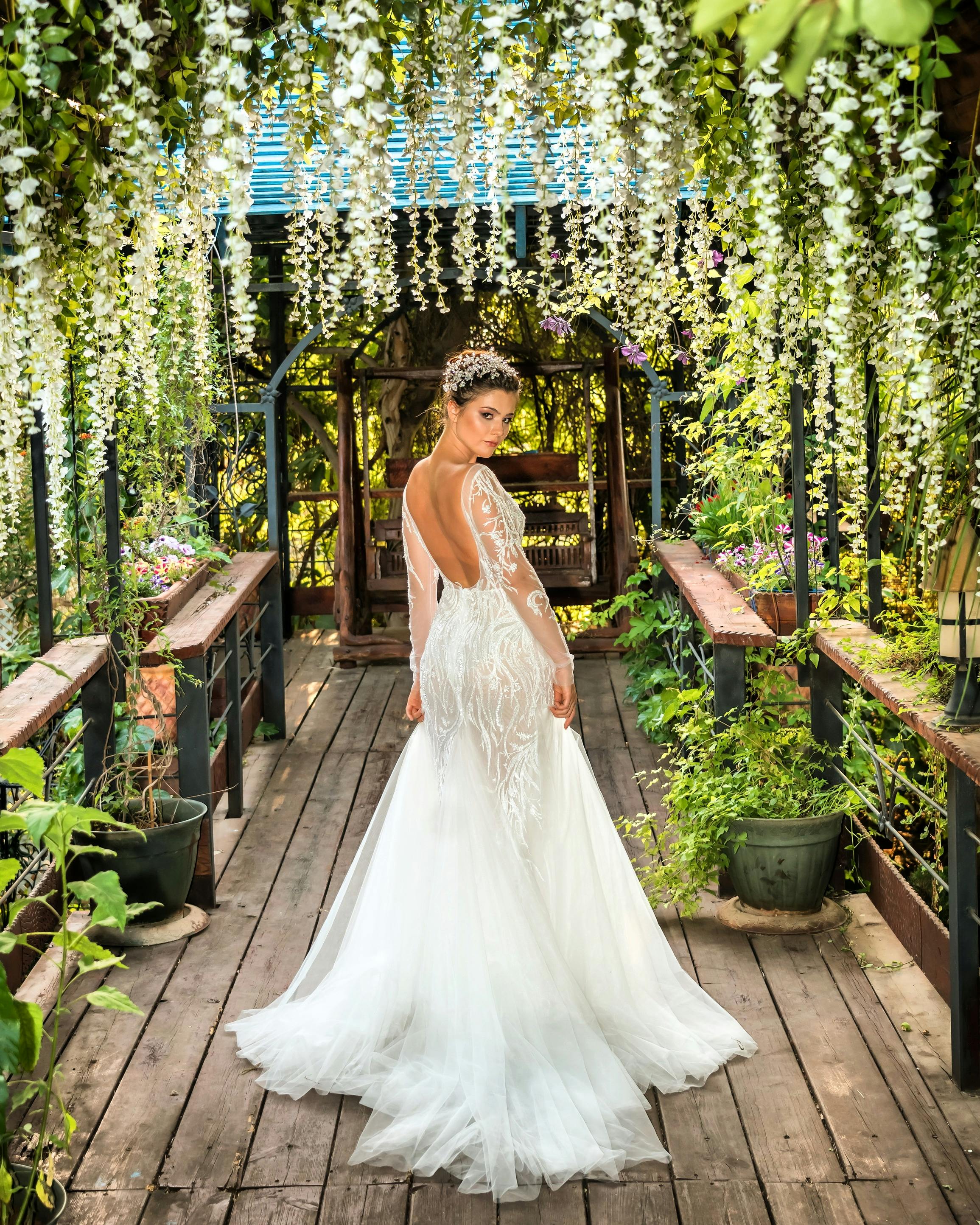
Garden weddings remain a favourite among couples who love natural beauty.
Ceremony locations such as Royal Botanic Gardens Victoria and Fitzroy Gardens provide lush greenery, manicured lawns, and seasonal floral displays.
Spring is especially popular because flowers are in full bloom, while autumn offers golden foliage and softer light. July garden weddings are rare due to dormant plants and cooler weather. However, couples who appreciate minimalist winter landscapes may find the subdued palette uniquely beautiful.
Vineyard and Winery Wedding Venues Near Melbourne
The regions surrounding Melbourne are renowned for wine production and picturesque landscapes.
The Yarra Valley and the Mornington Peninsula feature rolling hills, cellar doors, rustic barns, and refined reception spaces. Vineyard weddings combine natural beauty with exceptional food and wine experiences.
Autumn harvest season is especially popular because vineyards glow with warm colours. July weddings in these regions are quieter and more intimate, offering couples privacy and potential cost savings.
Modern Urban and Industrial Wedding Spaces
For couples who prefer contemporary settings, Melbourne’s CBD and inner suburbs offer sleek and stylish venues.
Converted warehouses, rooftop terraces, art galleries, and loft-style spaces create an urban sophistication that pairs well with minimalist decor. City skyline views provide dramatic photo opportunities, particularly at sunset.
Winter urban weddings can feel glamorous and cinematic. Candlelight, dramatic florals, and moody lighting transform industrial spaces into warm, romantic environments. The reduced competition for dates in July may also make it easier to secure premium city venues.
Hotel and Ballroom Wedding Venues
Luxury hotels and dedicated function centres remain popular for their convenience and comprehensive packages.
Hotel weddings provide on-site accommodation for guests, experienced event coordinators, and climate-controlled spaces that remove weather uncertainty. July weddings in hotels are especially practical because heating systems ensure comfort regardless of outdoor temperatures.
Couples planning winter weddings often find that hotels offer attractive seasonal packages that include catering, styling, and coordination at competitive rates.
Rustic Barn and Countryside Venues
Rustic venues have grown in popularity over the past decade. Barns, farms, and countryside estates offer relaxed charm paired with natural surroundings.
Spring and autumn are peak seasons for countryside weddings due to mild temperatures and scenic landscapes. However, a July barn wedding can feel warm and inviting when styled with layered textiles, fairy lights, and indoor fireplaces.
Because fewer couples choose winter dates, rustic venues may offer increased availability and flexibility.
How Choosing July Affects Wedding Costs
The rarity of July directly influences pricing.
Venues often categorise July as off-peak, which means couples may benefit from reduced hire fees and minimum spend requirements. Vendors such as photographers, florists, and entertainment providers may also have greater availability, making it easier to secure preferred suppliers without paying premium peak-season rates.
For couples balancing dream venues with financial realities, July presents an opportunity to maximise value without compromising quality.
Styling a Melbourne Winter Wedding
A winter wedding does not need to feel cold or limited. Instead, it can be thoughtfully styled to embrace the season.
Rich colour palettes such as burgundy, navy, emerald, and deep plum create warmth and sophistication. Velvet table runners, layered linens, and abundant candlelight add texture and ambience. Seasonal florals such as camellias and winter greenery complement the mood.
Guest comfort is equally important. Providing blankets for outdoor ceremonies, offering warm beverages such as mulled wine or hot chocolate, and ensuring adequate heating can transform a chilly day into a cozy celebration.
Guest Attendance and Scheduling Considerations
Because July is less popular, couples may find that fewer guests are committed to other weddings during that month. Accommodation options may also be more accessible and affordable.
However, shorter daylight hours require earlier ceremony times to maximise natural light. Couples should also consider potential travel disruptions caused by winter weather, particularly for guests flying in from other states.
Thoughtful planning ensures that even a rare wedding month runs smoothly.
Photography and Lighting in July
Winter light in Melbourne is often soft and diffused, creating flattering portrait conditions. However, sunset can occur before 5:30 PM, depending on the date. Scheduling ceremonies earlier in the afternoon allows couples to capture outdoor portraits before dusk.
Indoor venues with large windows or elegant architectural details can enhance winter photography. Strategic lighting design becomes especially important during evening receptions.
Frequently Asked Questions
What is the rarest month to get married in Melbourne
July is generally considered the rarest month due to winter weather, shorter daylight hours, and lower seasonal demand.
Are July weddings cheaper in Melbourne?
Yes, many venues and vendors offer off-peak pricing in July, which can reduce overall wedding costs.
Is it risky to plan an outdoor wedding in July?
Outdoor weddings in July require contingency planning because of cold temperatures and potential rain, but indoor backup options can make them successful.
Conclusion
Choosing a wedding venue in Melbourne involves balancing vision, budget, guest comfort, and seasonality. The city offers extraordinary options ranging from historic estates and waterfront settings to vineyards, hotels, and modern urban spaces.
When considering timing, it becomes clear that July stands out as the rarest month to get married. While often overlooked due to winter conditions, it provides significant advantages in availability, pricing, and atmosphere. Couples willing to embrace the season can create a celebration that feels intimate, elegant, and distinctive.
Ultimately, the perfect wedding month is the one that aligns with your priorities. Whether you choose a sunlit spring garden or a candlelit winter hall, Melbourne offers the versatility to turn your chosen date into a meaningful and unforgettable beginning.