

Melbourne has become one of the most vibrant destinations for multicultural weddings in Australia, and Indian weddings stand out for their colour, symbolism, scale, and spiritual depth. From elaborate décor and multi-day celebrations to sacred rituals performed around a ceremonial fire, Indian weddings require venues that can accommodate both tradition and grandeur.
Couples searching for an Indian Wedding Venue Melbourne are not simply looking for a beautiful space; they are looking for a venue that respects rituals, welcomes large gatherings, supports cultural requirements, and creates an unforgettable experience for families and guests.
At the heart of every traditional Hindu wedding lies a powerful ritual known as the Seven Steps, or Saptapadi. Many couples planning their celebration in Melbourne often ask, “What are the 7 steps in an Indian marriage?” Understanding these steps is essential not only for appreciating the spiritual depth of the ceremony but also for choosing a venue that allows these sacred traditions to be performed properly.
This comprehensive guide explores Indian wedding venues in Melbourne, what makes them suitable for traditional ceremonies, and provides a detailed explanation of the seven sacred steps that form the foundation of a Hindu marriage.
Indian Weddings in Melbourne: A Growing Celebration of Culture
Melbourne is home to a thriving Indian community, and Indian weddings have become a prominent feature in the city’s event industry. These weddings are known for their vibrant attire, intricate rituals, multiple events, and large guest lists that often exceed 200 to 400 attendees.
Unlike Western weddings that may span a single day, Indian weddings typically involve several ceremonies, including pre-wedding rituals such as mehndi and sangeet, the main wedding ceremony, and a grand reception. Because of this, venue selection becomes even more important.
Melbourne offers a range of venues capable of hosting such celebrations, from luxury hotels to expansive banquet halls and temple grounds.
What Makes an Ideal Indian Wedding Venue in Melbourne
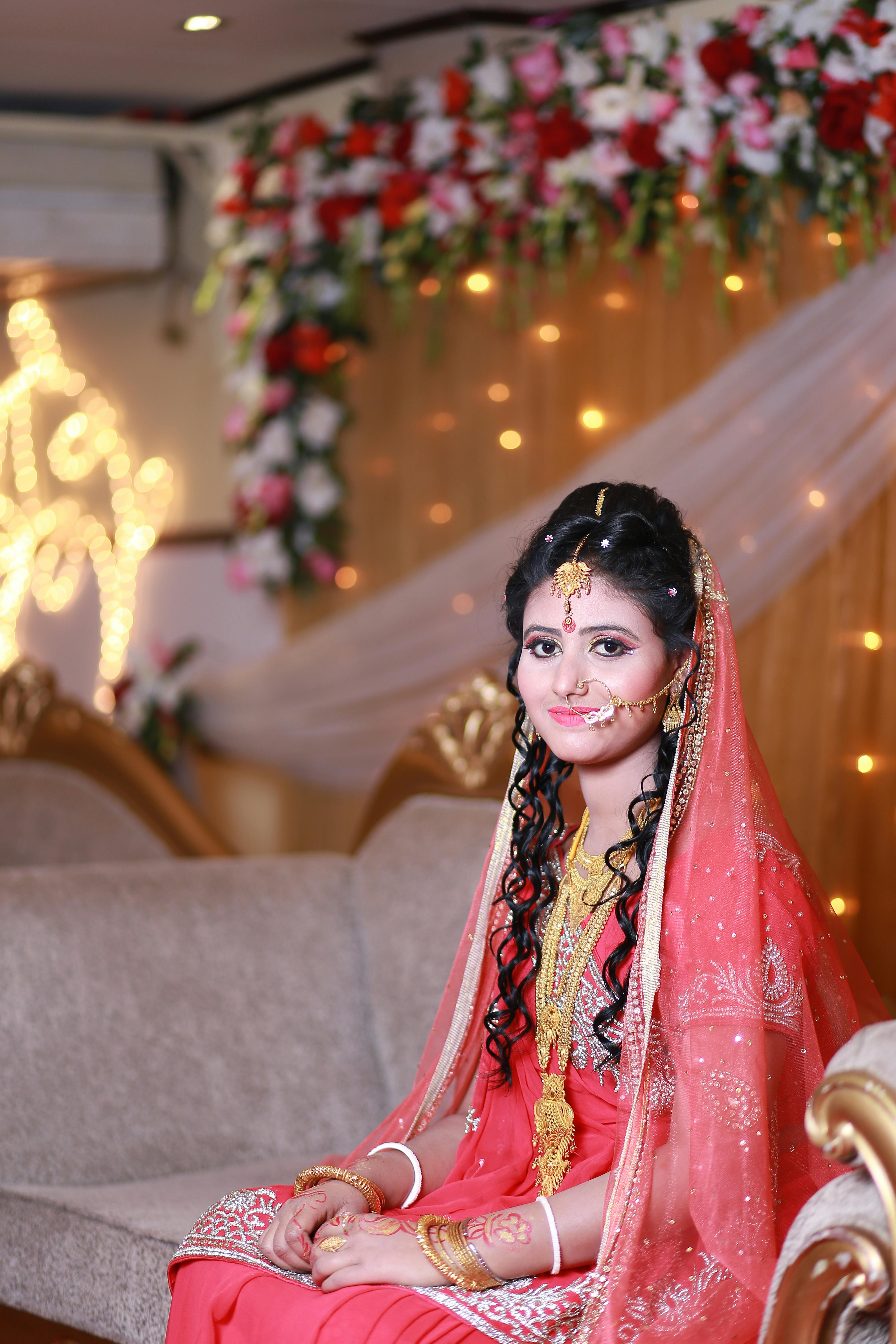
Choosing an Indian wedding venue involves more than visual appeal. Several practical and cultural factors must be considered.
Space for Large Guest Lists
Indian weddings are family-centred events where extended relatives and community members are invited. It is common for guest counts to exceed 300 people. Therefore, venues must have sufficient seating capacity, spacious dining arrangements, and room for elaborate stage setups.
Large ballrooms such as those found at The Langham Melbourne and Crown Towers Melbourne are often preferred because they offer expansive interiors and flexible layouts.
Accommodation for Rituals and Sacred Fire
Traditional Hindu weddings require a mandap, which is a decorated canopy where the ceremony takes place. At the centre of the mandap is a sacred fire known as Agni, around which the couple performs the Seven Steps.
Not all venues allow open flames indoors. Therefore, couples must ensure the venue permits ceremonial fire rituals or provides safe alternatives approved by religious officiants.
Catering Requirements
Food plays a central role in Indian weddings. Many families prefer authentic Indian cuisine prepared according to cultural or religious dietary practices. Venues must either provide specialised Indian catering or allow external caterers to manage the menu.
Banquet-style halls and convention centres often provide the flexibility needed for traditional Indian feasts.
Space for Pre-Wedding Functions
Events such as the mehndi ceremony, haldi, and sangeet require additional space. Some couples choose venues that offer multiple rooms or book different venues for each function.
Melbourne’s large event centres and hotel complexes are particularly suitable because they can host multiple functions over consecutive days.
Popular Types of Indian Wedding Venues in Melbourne
Indian weddings in Melbourne are typically hosted in three main types of venues.
Luxury Hotels and Ballrooms
Luxury hotels remain a top choice because they offer comprehensive event management, catering, décor coordination, and accommodation in one place. Grand ballrooms can be transformed into lavish settings with vibrant drapes, floral installations, and dramatic lighting.
Hotels also provide experienced staff accustomed to large multicultural weddings.
Dedicated Banquet and Reception Centres
Purpose-built reception centres are popular because they specialise in large-scale events. These venues often have high ceilings, wide dance floors, and adaptable stage areas for mandap installations.
Their flexibility in décor and catering makes them suitable for traditional Indian weddings.
Temple and Cultural Centres
Some families prefer to host the religious ceremony in a temple before moving to a reception venue. One example is the Shri Shiva Vishnu Temple, which serves as a spiritual hub for the Hindu community.
Temple weddings emphasise religious authenticity, while receptions are often held separately in banquet halls or hotels.
What Are the 7 Steps in Indian Marriage
The Seven Steps, known as Saptapadi, are the heart of a traditional Hindu wedding ceremony. During this ritual, the bride and groom take seven steps together around the sacred fire. Each step represents a vow and commitment that forms the spiritual foundation of their marriage.
Step One: Commitment to Nourishment and Prosperity
The first step symbolises the couple’s promise to provide for one another and ensure their household is nourished. It reflects the shared responsibility of securing food, financial stability, and well-being.
This step emphasises partnership in practical matters. It acknowledges that marriage is not only emotional but also built on mutual effort and responsibility.
Step Two: Strength and Support
In the second step, the couple vows to develop physical, mental, and spiritual strength together. They promise to support each other through challenges and remain steadfast in difficult times.
This vow reflects resilience and unity. It acknowledges that life may present obstacles, but together, the couple will remain strong.
Step Three: Wealth and Prosperity
The third step focuses on prosperity and ethical living. The couple commits to earning wealth through righteous means and using it wisely.
This vow encourages balance between ambition and integrity. It highlights the importance of shared goals and responsible financial planning.
Step Four: Happiness and Mutual Love
The fourth step is centred on emotional well-being and love. The couple promises to cultivate happiness in their marriage and respect one another’s individuality.
This vow strengthens the emotional bond and reminds the couple to nurture affection, compassion, and understanding.
Step Five: Family and Responsibility
The fifth step symbolises the couple’s commitment to family and future generations. Traditionally, it represents the desire for children and the responsibility of raising them with care and values.
In modern contexts, this vow can also signify nurturing relationships and contributing positively to the community.
Step Six: Health and Longevity
The sixth step is a prayer for long life and good health. The couple promises to care for one another’s well-being and lead a balanced life.
This vow reinforces the importance of physical and emotional health within marriage.
Step Seven: Lifelong Friendship and Loyalty
The final step seals the marriage. The couple vows eternal friendship, trust, and loyalty. They promise to remain companions for life.
Friendship is considered the foundation of a strong marriage. This vow emphasises companionship and enduring partnership.
How Melbourne Venues Accommodate the Seven Steps
Venues hosting Indian weddings in Melbourne must provide sufficient space for the mandap and sacred fire ritual. The layout should allow guests to witness the ceremony comfortably.
Large ballrooms often position the mandap centrally, while seating surrounds it in semi-circular arrangements. Lighting plays a key role in highlighting the ritual while maintaining reverence.
Venues must also coordinate closely with priests and event planners to ensure cultural accuracy and safety compliance.
Planning an Indian Wedding in Melbourne
Organising an Indian wedding involves coordination between families, priests, caterers, stylists, and venue managers. Early booking is crucial, particularly during peak wedding seasons.
Couples should confirm the following with venues:
- Fire safety permissions
- External catering allowances
- Space for dance performances
- Sound system compatibility for traditional music
- Capacity for multi-day events
Clear communication ensures a smooth and respectful celebration.
Cultural Sensitivity and Venue Staff
Experienced venue staff understand the flow of Indian ceremonies, including baraat processions and extended rituals. Cultural awareness enhances coordination and reduces misunderstandings. Venues that regularly host multicultural weddings often provide dedicated coordinators who assist with logistics specific to Indian celebrations.
Budget Considerations for Indian Weddings in Melbourne
Indian weddings are often larger in scale, which influences cost. Expenses include venue hire, catering, décor, priest fees, photography, entertainment, and attire.
Luxury hotel weddings may range from $40,000 to $100,000 or more, depending on guest count and styling. Reception centres may offer more flexible pricing structures.
Families often prioritise décor and catering, as these are central to guest experience.
Blending Tradition with Modern Melbourne Style
Many couples in Melbourne blend traditional Indian rituals with contemporary elements. While the Seven Steps remain central, receptions may include Western-style speeches, first dances, and modern entertainment. This fusion creates a unique celebration that honours heritage while embracing modern influences.
Frequently Asked Questions
What are the 7 steps in an Indian marriage?
The seven steps, or Saptapadi, are seven vows taken around a sacred fire symbolising nourishment, strength, prosperity, love, family, health, and lifelong friendship.
Can Indian weddings be held in Melbourne hotel venues?
Yes, many luxury hotels and reception centres in Melbourne accommodate Indian weddings, including ceremonial rituals and large guest lists.
Do venues allow the sacred fire ritual?
Some venues permit controlled ceremonial fires under strict safety guidelines, while others require symbolic alternatives.
Conclusion
An Indian wedding in Melbourne is more than a celebration; it is a vibrant expression of culture, faith, and family unity. Choosing the right venue ensures that sacred rituals like the Seven Steps can be performed with dignity and authenticity while providing comfort and beauty for guests.
The Seven Steps form the spiritual heart of a Hindu marriage, symbolising shared responsibility, prosperity, love, health, and lifelong companionship. When selecting an Indian wedding venue in Melbourne, couples should prioritise space, cultural flexibility, catering options, and professional coordination.
Melbourne’s diverse event landscape makes it possible to host grand traditional ceremonies and elegant receptions that honour heritage while embracing contemporary style. With thoughtful planning and the right venue, couples can create a wedding celebration that is both culturally meaningful and truly unforgettable.