

Maintaining long-term oral health doesn’t require discomfort, stress, or fear. Gentle dentistry is built around patient comfort, preventative care, and ongoing oral wellbeing. Whether you’re managing routine check-ups or more involved procedures, finding a compassionate and skilled provider is key. If you’re searching for a Family dentist Elwood, prioritising gentle techniques and a patient-focused approach will contribute to healthier smiles for years to come.
Understanding Gentle Dentistry
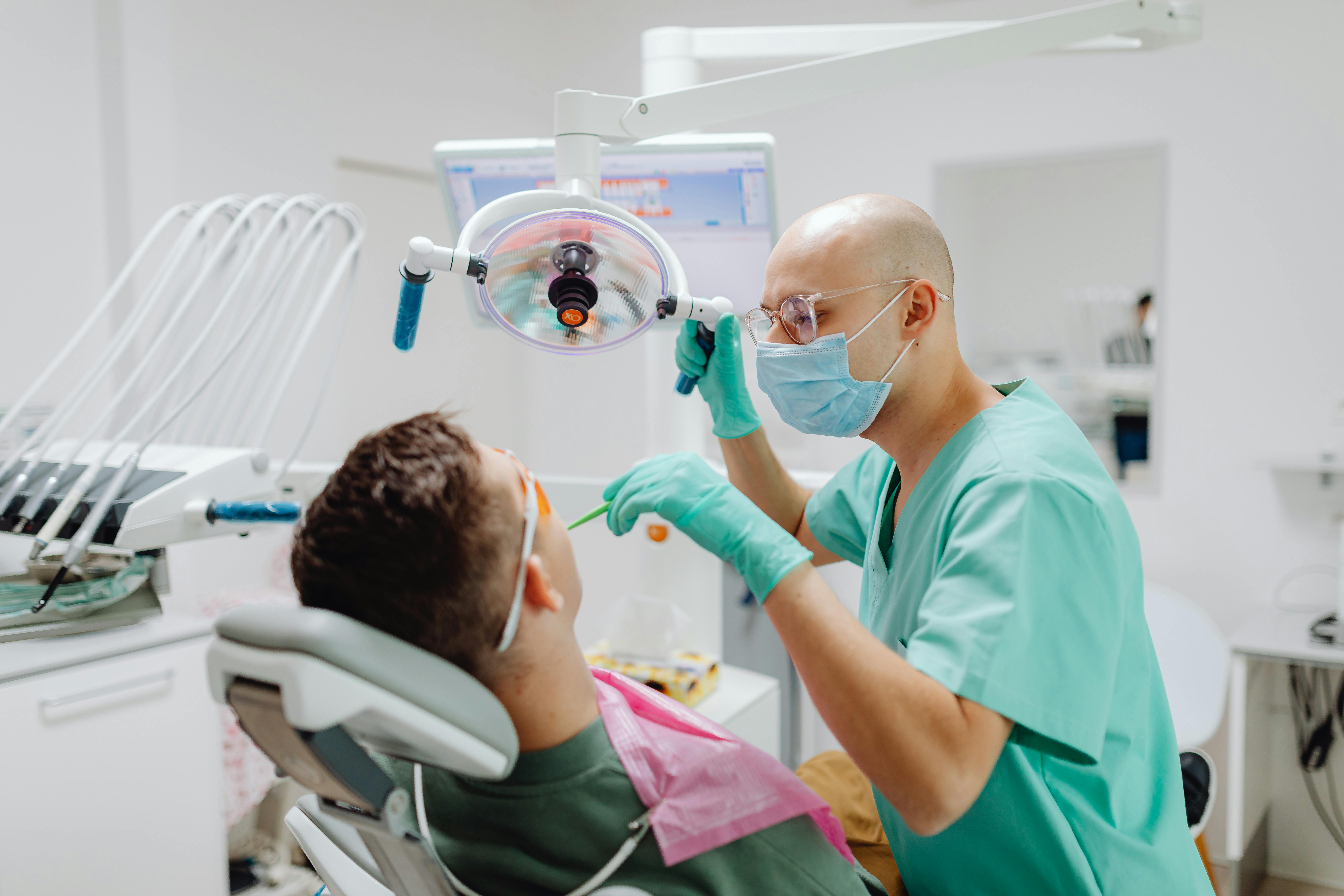
Gentle dentistry focuses on minimising discomfort and anxiety while delivering effective treatments. It’s not just about being polite—it’s a shift in the way dental care is provided.
Patient-Centred Comfort
The aim is to make every visit stress-free, especially for children or those with dental anxiety. Soft communication, slower-paced treatments, and distraction methods help ease the experience. By reducing fear, more patients are encouraged to attend regular check-ups, leading to better oral health outcomes.
Minimally Invasive Techniques
Modern gentle dentistry uses advanced tools and practices that preserve natural tooth structure. Treatments like air abrasion, laser dentistry, and digital impressions reduce the need for drilling, cutting, or lengthy procedures.
Preventative Focus for Long-Term Oral Health
Gentle dentistry is preventive by nature. The goal is not just to treat problems, but to stop them before they start.
Routine Check-Ups and Cleanings
Regular visits allow dentists to monitor your oral health and catch early signs of issues. These check-ups also include professional cleaning to remove plaque and tartar that brushing alone can’t manage.
Tailored Home Care Guidance
Every mouth is different. A gentle dentist will provide guidance based on individual needs, recommending toothbrush types, flossing techniques, and fluoride treatments to maintain oral health at home.
Nutritional Support for Oral Health
Diet affects dental health. Advice on limiting sugary drinks and snacks, increasing water intake, and choosing tooth-friendly foods supports stronger teeth and gums.
Dental Treatments with a Gentle Approach
A gentle approach doesn’t mean skipping necessary treatments—it means doing them in the least invasive, most comfortable way possible.
Fillings and Restorations
Instead of harsh drilling, gentle dentists may use air abrasion or lasers to remove decay. This technique is quieter and causes less vibration and discomfort. Fillings are shaped precisely to maintain the natural contour of the tooth.
Root Canal Therapy
This procedure has a fearsome reputation, but with gentle dentistry, it’s far less daunting. Local anaesthetics, sedation options, and efficient tools make root canals more comfortable and faster than traditional methods.
Gum Disease Management
Early-stage gum disease can often be reversed with deep cleanings and proper home care. For more advanced cases, gentle scaling and root planing treatments help restore gum health without unnecessary pain or trauma.
Family Dentistry with a Gentle Philosophy
Gentle dentistry benefits all ages, but it’s particularly valuable for families. Developing healthy habits early ensures better oral health for life.
Children’s Dental Care
Early visits to a gentle dentist help kids develop a positive attitude towards oral care. Paediatric-friendly tools, calm language, and interactive techniques create a relaxed environment.
Ongoing Care for Teens
As teeth grow and shift, teens may need braces, wisdom teeth evaluation, or cavity monitoring. A gentle dentist provides solutions without judgement, supporting self-confidence during this important stage.
Adult and Senior Dental Needs
Adults benefit from ongoing preventative care and restorative treatments. Seniors may require dentures, gum disease management, or dry mouth treatments. All can be provided in a supportive, gentle way.
The Role of Technology in Gentle Dentistry
Technology has transformed the way dentists deliver care. It reduces discomfort, speeds up healing, and improves accuracy.
Digital Imaging and Scanning
Traditional X-rays can be uncomfortable. Digital imaging offers a quicker, safer alternative with better visual clarity. Digital scans also replace messy impression trays, making procedures more pleasant.
Laser Dentistry
Lasers allow for precise, quiet, and nearly pain-free treatments. They can be used for fillings, gum reshaping, and even teeth whitening. The precision reduces damage to surrounding tissue, promoting faster recovery.
Sedation Options
For anxious patients, sedation—ranging from nitrous oxide to oral sedatives—can make visits manageable. These options are safe, well-monitored, and tailored to individual comfort levels.
Benefits of Choosing Gentle Dentistry
Opting for a practice that prioritises comfort and care delivers lasting advantages.
Reduced Dental Anxiety
When fear is managed, patients are more likely to attend appointments and follow treatment plans. This means issues are treated early, preventing more serious problems.
Better Treatment Outcomes
Minimally invasive techniques protect tooth structure and gum health. This results in longer-lasting restorations and fewer complications.
Improved Oral Hygiene Habits
Positive dental experiences encourage patients—especially children—to brush, floss, and maintain regular visits. This builds a strong foundation for long-term oral wellness.
Gentle Dentistry for Specific Oral Health Concerns
Some patients require more attentive approaches due to specific conditions.
Sensitive Teeth and Gums
For people with heightened sensitivity, even cleanings can be painful. A gentle dentist uses soft tools, warm water rinses, and topical desensitisers to make care more tolerable.
Bruxism and Jaw Issues
Grinding and clenching can damage teeth and strain jaw muscles. Custom mouthguards, gentle massage techniques, and jaw alignment treatments offer relief.
Managing Dental Phobia
Some individuals have a deep-rooted fear of dentists. By building trust, offering thorough explanations, and using calming techniques, gentle dentistry helps these patients regain control over their oral health.
Lifestyle and Oral Health: Gentle Advice that Works
Everyday habits have a direct impact on dental wellbeing. Gentle dentists go beyond treatment—they educate and empower.
Smoking and Oral Health
Smoking increases the risk of gum disease, tooth loss, and oral cancers. A gentle dentist can help with cessation support and provide frequent screenings.
Alcohol and Sugar Consumption
Frequent alcohol or sugar intake weakens enamel. Rather than lecturing, a gentle dentist works with patients to create realistic goals for change.
Hydration and Saliva Production
Dry mouth can lead to decay. Gentle dentists assess hydration habits and suggest solutions, such as saliva substitutes or sugar-free gum.
What to Look for in a Gentle Dentist
Not all dentists use the same approach. When choosing someone to care for your smile, certain traits set gentle dentists apart.
Empathy and Communication
Look for a provider who listens, answers questions without judgement, and explains procedures in clear language. Good communication builds confidence and trust.
Calming Environment
The physical space matters. Soft lighting, relaxing sounds, and friendly staff all contribute to a more pleasant experience.
Modern Equipment and Techniques
A dentist using the latest tools is better equipped to offer comfort-focused care. From digital records to laser tools, technology plays a big role in reducing discomfort.
Frequently Asked Questions
What does gentle dentistry include?
Gentle dentistry includes a combination of calming techniques, pain-free tools, and personalised care. It may involve sedation, soft-touch treatments, or advanced technology like lasers, all aimed at reducing discomfort and anxiety.
Is gentle dentistry safe for children?
Yes, gentle dentistry is highly suitable for children. It helps young patients form positive associations with dental care, encourages regular visits, and supports good habits from an early age.
Can I request gentle techniques for more complex treatments?
Absolutely. Whether you need a filling, root canal, or gum treatment, you can request a gentle approach. Many dentists will customise their methods based on your comfort level and health needs.
Conclusion
Gentle dentistry designed for long-term oral health provides more than just relief from discomfort—it builds lasting relationships between patients and their dental care providers. By focusing on empathy, prevention, and modern techniques, it ensures a lifetime of healthier, happier smiles.
If you’re looking to care for your family’s dental needs in a stress-free environment, consider a Family dentist Elwood who specialises in gentle, long-term oral care. With the right support, achieving and maintaining strong, healthy teeth becomes not only possible but genuinely enjoyable.