

Commercial construction across Australia demands consistency, strength, and faster build times. These requirements are leading contractors, architects, and developers to adopt steel framing solutions for commercial construction on a larger scale. Whether for low-rise business complexes or multi-storey developments, steel framing delivers reliable performance, lower maintenance, and greater adaptability across site types.
In Victoria, where population growth continues to drive large-scale developments, builders are choosing durable, code-compliant framing systems. One of the most widely adopted approaches is through bluescope steel framing Melbourne construction teams now incorporate into educational facilities, warehouses, aged care, and retail precincts. These framing systems meet the demands of modern construction without the delays or unpredictability of traditional building materials.
Introduction to Steel Framing in Commercial Projects
What Makes Steel Suitable for Commercial Use
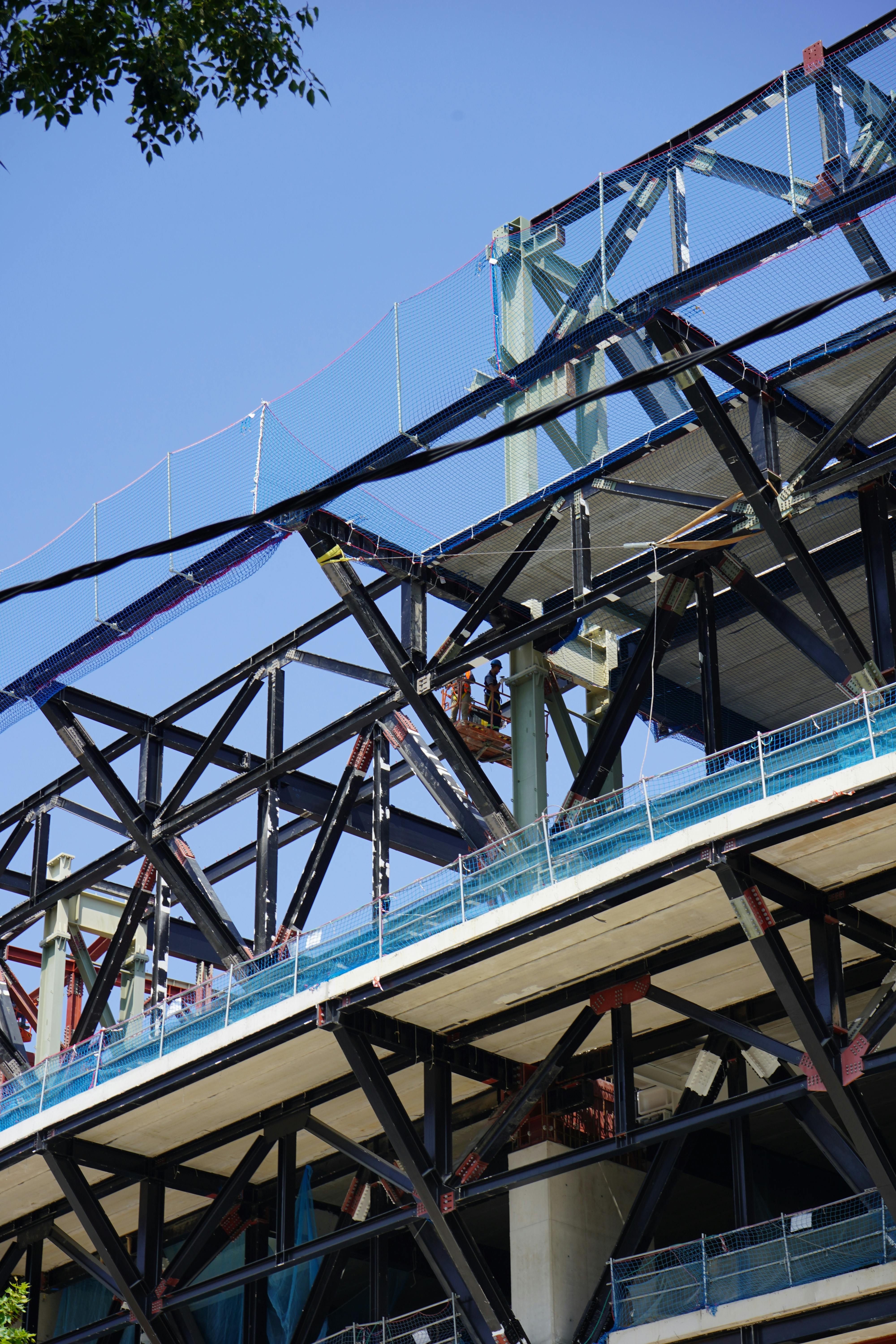
Commercial construction places heavier loads on building materials, with wider spans, more frequent access routes, and greater safety expectations. Steel framing offers the strength and uniformity required to meet these demands. Manufactured under strict standards, each frame is engineered to match project-specific structural needs.
Unlike timber, steel is not affected by pests, moisture, or inconsistent grading. This gives it a distinct edge for high-traffic buildings and sites that must meet compliance benchmarks over decades of use.
Growing Use Across Sectors
Steel framing is now widely used in retail centres, hospitals, school campuses, industrial units, aged care developments, and office blocks. Its ability to accommodate different facade finishes, mechanical systems, and architectural styles makes it a preferred material in both greenfield and brownfield developments.
Structural Strength and Load Performance
Managing Heavier Loads and Larger Spans
Commercial buildings must carry significantly more load than a standard residential home. Whether supporting mezzanine levels, rooftop plant rooms, or storage racking systems, steel framing provides high structural capacity without excessive size or weight.
Joists, beams, and columns made from steel can span longer distances without intermediate support. This enables clear interior layouts, flexible fit-outs, and uninterrupted floor space—key for warehouses, retail units, and collaborative work areas.
Durability Over the Building’s Life Cycle
Steel resists corrosion when properly coated, and it does not warp, shrink, or settle like timber. This means the structure retains its integrity over time, even in coastal or high-humidity environments. In multi-decade commercial leases or owner-occupier scenarios, this stability is essential.
Faster and More Controlled Construction
Reduced Site Labour Requirements
Because commercial steel framing systems are prefabricated, they arrive on site ready for assembly. Frames are manufactured with service holes and fixing points pre-punched, eliminating the need for on-site alterations. This reduces labour costs and compresses timelines.
Faster framing means interior trades can begin sooner. Electricians, HVAC installers, and plumbers benefit from early access to clearly defined service routes, helping the build progress on schedule.
Year-Round Build Capability
In Melbourne and other Victorian regions where winter can delay wet trades, steel framing allows construction to continue in most conditions. With no drying time or risk of material swelling, the framing stage becomes more predictable regardless of seasonal weather.
Fire, Safety, and Compliance Benefits
Non-Combustibility
Fire safety is a central concern in commercial settings. Steel does not contribute fuel to a fire, which supports compliance with National Construction Code fire resistance levels. When used with fire-rated plasterboard, insulation, and cladding systems, steel framing achieves required compartmentalisation and escape route integrity.
This makes it ideal for multi-occupancy buildings, educational facilities, and health services, where safety regulations are tightly enforced.
Pest and Chemical Resistance
Unlike timber, steel is not subject to termite attack, fungal decay, or the effects of insect infestation. This removes the need for chemical treatments, making it suitable for childcare, food-handling environments, and medical facilities where exposure to pesticides and preservatives must be avoided.
Framing Options and Project Customisation
Portal Frames for Industrial Units
In warehouses, logistics depots, and large-span sheds, portal steel frames are a proven solution. These frames allow for wide, open interiors without support posts, giving forklift and vehicle access through the full floor area. Custom heights and bracing systems are tailored to match wind zones and internal clearances.
Light Gauge Steel for Interiors
Lightweight steel wall frames and ceiling systems are used to separate offices, create acoustic partitions, and support plasterboard linings. These frames are quick to install, dimensionally accurate, and work well with mechanical, data, and power services common in commercial interiors.
Integration with Concrete and Hybrid Systems
Steel frames can be combined with concrete slabs, block walls, or tilt-up panels depending on the project design. Floor joists, roofing systems, and stair framing can all be integrated into hybrid structures where steel forms the structural skeleton and other materials are used for thermal mass or fire rating.
Acoustic and Thermal Performance
Meeting Environmental and Noise Targets
Commercial buildings often require high acoustic ratings, particularly in multi-tenancy or education spaces. Steel framing supports high-performance insulation and flexible detailing, helping to meet airborne and impact sound ratings.
Thermal performance is achieved through cavity systems, thermal break detailing, and integration with wrap or panel systems. These measures allow projects to meet Section J energy compliance requirements, even with large window areas or open spaces.
Engineering and Quality Control
CAD Modelling and Structural Engineering
Commercial steel framing begins with full engineering analysis using CAD software and structural load calculations. Each frame is designed based on site conditions, wind load, and the intended building use. Connection points, load paths, and bracing systems are fully documented before fabrication.
This documentation supports faster approval from certifiers and reduces the likelihood of issues during build stages. Engineering teams can also work directly with architects to ensure aesthetic and functional goals are met without compromising structural strength.
Factory-Level Quality Assurance
Frames are fabricated using roll-forming machinery and laser cutting tools that deliver precise outcomes. Each batch is inspected for alignment, galvanising quality, and dimensional tolerances. This ensures that what arrives on site fits the drawings and assembles without rework.
Sustainability and Environmental Responsibility
Steel Recycling and Waste Minimisation
Steel is 100% recyclable, and many framing systems are made from recycled materials. Waste generated during off-site manufacturing is sorted and reused, contributing to low-waste construction practices. On-site waste is minimal due to accurate sizing and planning.
Green Star and Commercial Ratings
Steel framing helps projects meet Green Star and NABERS targets through its durability, recyclability, and integration with high-performance building envelopes. Reduced need for maintenance, repair, and chemical treatments supports long-term sustainability goals.
Frequently Asked Questions
Is steel framing more expensive than traditional methods?
While material costs for steel may be higher than timber or blockwork in some instances, the savings in labour, construction time, and long-term maintenance often result in overall cost advantages. This is particularly true in large-scale or fast-track commercial developments.
Can steel frames support heavy mechanical equipment?
Yes, commercial steel framing systems can be engineered to support significant point loads, including HVAC units, solar arrays, water tanks, and rooftop plant rooms. Load paths and reinforcements are planned during the engineering stage to support these elements safely.
Do steel frames suit architectural design flexibility?
Steel is well-suited to complex architectural designs. Curved walls, open atriums, and mixed-use spaces can be created using custom steel framing. With careful design, steel offers more flexibility than other materials for structural spans and facade treatments.
Conclusion
The shift toward steel framing solutions for commercial construction reflects broader demands for safer, faster, and more adaptable building systems. Across Melbourne and regional Victoria, developers and contractors are turning to engineered steel systems for projects that range from retail spaces to healthcare facilities.
Using bluescope steel framing Melbourne professionals can depend on, these systems deliver fire safety, pest resistance, compliance, and strength, all while supporting project schedules and sustainability targets. As the commercial construction sector grows and expectations for quality and environmental performance increase, steel framing continues to provide a proven path forward.